
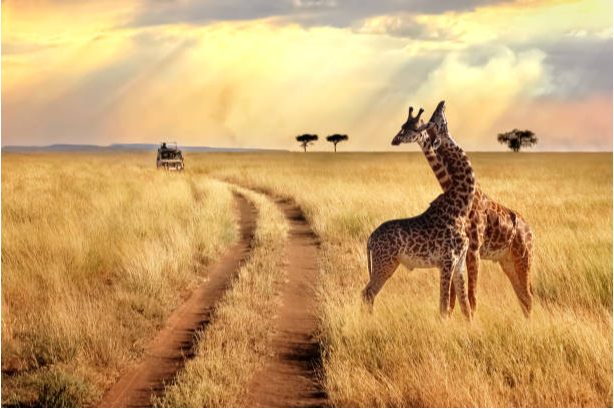
Few travel experiences rival the raw beauty and untamed drama of a Tanzania safaris. From the sweeping plains of the Serengeti to the wildlife-rich crater floor of Ngorongoro, Tanzania offers one of the most authentic and diverse safari experiences on Earth. With its iconic national parks, abundant wildlife, and rich cultural heritage, this East African gem has rightfully earned its reputation as a premier safari destination.
Whether you’re a first-time visitor to Africa or a seasoned traveler, Tanzania delivers breathtaking landscapes, extraordinary wildlife encounters, and unforgettable moments that stay with you long after you leave.
Why Choose Tanzania for a Safari?
Tanzania stands out among African safari destinations for several reasons:
- Vast protected areas covering nearly 30% of the country
- One of the highest concentrations of wildlife in Africa
- Home to the world-famous Great Migration
- A blend of luxury and authentic safari experiences
- Rich cultural encounters with indigenous communities
Unlike some destinations where wildlife viewing can feel crowded, Tanzania offers expansive, open spaces that allow travelers to immerse themselves in nature without distraction.
Iconic Safari Destinations in Tanzania
1. Serengeti National Park
The Serengeti is synonymous with African safaris. Spanning over 14,000 square kilometers, this UNESCO World Heritage Site is renowned for its endless golden savannahs and spectacular wildlife populations.
It is most famous for hosting the Great Migration, where over two million wildebeest, zebras, and gazelles traverse the plains in search of fresh grazing. Predators such as lions, cheetahs, and crocodiles follow closely, creating one of the most dramatic wildlife spectacles on the planet.
Highlights:
- The Great Migration (year-round movement)
- Exceptional big cat sightings
- Hot air balloon safaris at sunrise
2. Ngorongoro Crater
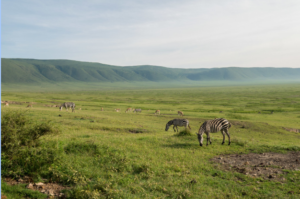
Often described as Africa’s “Garden of Eden,” the Ngorongoro Crater is the world’s largest intact volcanic caldera. Its enclosed ecosystem supports an extraordinary concentration of wildlife, including endangered black rhinos.
Within a single game drive, visitors may encounter elephants, lions, hippos, hyenas, flamingos, and buffalo. The crater’s unique geography allows for some of the most reliable wildlife viewing in Africa.
Highlights:
- High density of animals in a compact area
- Stunning landscapes and scenic viewpoints
- Cultural visits to Maasai communities
3. Tarangire National Park
Known for its massive elephant herds and ancient baobab trees, Tarangire is a hidden gem in northern Tanzania. During the dry season, the Tarangire River becomes a magnet for wildlife, attracting thousands of animals.
Highlights:
- Large elephant populations
- Diverse birdlife
- Fewer crowds compared to Serengeti
4. Lake Manyara National Park
Compact yet diverse, Lake Manyara is famous for its tree-climbing lions and large flocks of flamingos along the lake’s alkaline shores. It offers a varied landscape of forests, grasslands, and lakeside scenery.
Highlights:
- Unique tree-climbing lions
- Excellent birdwatching
- Scenic groundwater forests
5. Ruaha National Park
For those seeking a more remote and untouched safari, Ruaha in southern Tanzania offers raw wilderness and fewer tourists. It boasts one of the largest elephant populations in East Africa and exceptional predator sightings.
Highlights:
- Remote and exclusive experience
- Large prides of lions
- Dramatic landscapes
The Great Migration: Nature’s Grand Spectacle
The Great Migration is one of the most sought-after safari experiences in the world. Although often associated with Kenya’s Maasai Mara, the migration spends the majority of the year in Tanzania’s Serengeti.
From calving season in the southern Serengeti (January–March) to the dramatic river crossings in the northern region (July–October), the movement is continuous and dynamic. Timing your visit correctly can dramatically enhance your safari experience.
Types of Safari Experiences in Tanzania
Tanzania offers a wide range of safari styles tailored to different budgets and travel preferences.
Luxury Safaris
High-end lodges and tented camps provide five-star comfort in the heart of the wilderness. Expect gourmet dining, private guides, and exclusive game drives.
Mid-Range Safaris
Comfortable lodges and tented camps with excellent service and guided tours.
Budget & Camping Safaris
Affordable options that still deliver outstanding wildlife encounters, often using public campsites and shared game drives.
Private Safaris
Ideal for families or groups wanting personalized itineraries and flexibility.
Fly-In Safaris
Save travel time by flying between parks, especially useful when visiting remote southern reserves.
Best Time to Visit Tanzania for Safari
Tanzania offers year-round safari opportunities, but seasons influence wildlife viewing conditions.
Dry Season (June–October):
- Best overall wildlife viewing
- Animals gather near water sources
- Ideal for Great Migration river crossings
Green Season (November–May):
- Lush landscapes and fewer crowds
- Calving season in the southern Serengeti
- Excellent birdwatching
- Lower prices
Wildlife You Can Expect to See
Tanzania is home to the legendary Big Five:
- Lion
- Leopard
- Elephant
- Rhino
- Buffalo
Beyond the Big Five, you may encounter cheetahs, giraffes, hippos, crocodiles, hyenas, zebras, wildebeest, antelopes, and over 1,000 bird species.
The biodiversity is staggering, and every game drive offers something different.
Cultural Encounters
A Tanzania safari is not just about wildlife. Many itineraries include visits to Maasai villages, where travelers can learn about traditional pastoral lifestyles, beadwork, and tribal customs.
Responsible tourism initiatives ensure that local communities benefit directly from safari tourism, supporting conservation and economic development.
Combining Safari with Zanzibar
Many travelers pair their safari with a beach retreat on the idyllic island of Zanzibar. Located in the Indian Ocean, Zanzibar offers white sandy beaches, turquoise waters, and rich Swahili culture.
This combination of bush and beach creates a perfectly balanced African holiday.
Planning a Tanzania Safari
When planning your safari, consider:
- Duration (7–10 days is ideal for northern circuit)
- Budget range
- Time of year
- Group vs. private experience
- Travel insurance and vaccinations
Working with a reputable safari operator ensures logistics, park permits, and accommodations are handled professionally.
Key Takeaways
- Tanzania is one of Africa’s premier safari destinations.
- The Serengeti and Ngorongoro Crater offer unmatched wildlife density.
- The Great Migration is a year-round phenomenon mostly within Tanzania.
- Safaris range from luxury to budget-friendly options.
- The best wildlife viewing is during the dry season (June–October).
- Cultural experiences enhance the safari journey.
- Combining safari with Zanzibar beach holidays is highly popular.
Frequently Asked Questions (Q&A)
1. How much does a Tanzania safari cost?
Prices vary widely. Budget safaris may start around $200–$300 per person per day, while luxury safaris can exceed $1,000 per person per day. Costs depend on accommodation level, duration, and travel style.
2. Is Tanzania safe for tourists?
Yes, Tanzania is generally safe for safari travelers when using licensed operators. National parks are secure, and guides are well-trained professionals.
3. How many days do I need for a Tanzania safari?
A minimum of 5 days is recommended, but 7–10 days allows for a comprehensive northern circuit experience.
4. When is the best time to see the Great Migration?
The migration moves year-round. River crossings typically occur between July and October in northern Serengeti, while calving season happens from January to March in the south.
5. Do I need vaccinations before visiting Tanzania?
Common recommendations include yellow fever (depending on travel history), hepatitis A and B, and malaria prophylaxis. Always consult your healthcare provider before traveling.
6. Can I combine Mount Kilimanjaro trekking with a safari?
Yes. Many travelers combine safaris with climbing Mount Kilimanjaro, Africa’s highest peak, for a complete adventure experience.
Conclusion
A Tanzania safaris is more than just a holiday—it is a transformative journey into one of the world’s last great wildernesses. From witnessing lions hunt on the Serengeti plains to descending into the wildlife-rich Ngorongoro Crater, every moment feels cinematic and profoundly real.
The country’s commitment to conservation, diverse ecosystems, and welcoming culture makes it an exceptional destination for wildlife enthusiasts, photographers, families, and honeymooners alike.
Whether you seek luxury, adventure, or authenticity, Tanzania delivers an unparalleled safari experience that captures the true spirit of Africa.