
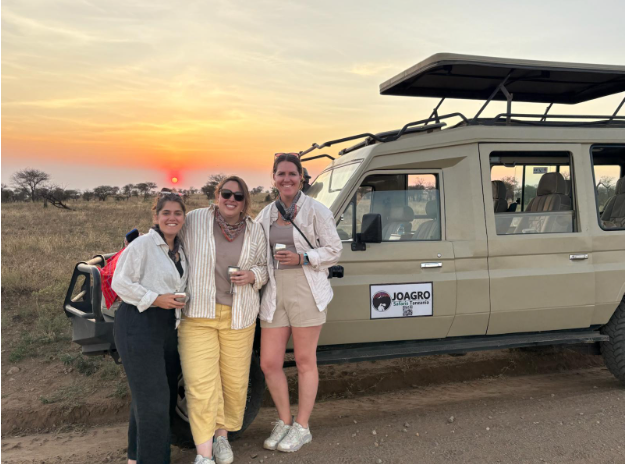
Tanzania stands as Africa’s premier safari destination, offering an unparalleled wildlife experience that has captivated travelers for generations. With its vast savannahs, pristine wilderness, and extraordinary concentration of wildlife, this East African nation delivers safari adventures that exceed even the most vivid imaginations. Choosing the right Tanzania safari package can transform your African dream into a meticulously crafted journey through some of the planet’s most spectacular ecosystems.
Understanding Tanzania Safari Packages
Tanzania safari packages encompass curated travel experiences designed to showcase the country’s remarkable wildlife, landscapes, and cultural heritage. These comprehensive offerings typically include accommodation, transportation, park fees, guided game drives, and meals, allowing travelers to immerse themselves in the safari experience without logistical concerns. From budget camping adventures to ultra-luxury lodges with private butlers, Tanzania’s safari industry caters to every preference and budget level.
The diversity of available packages reflects Tanzania’s varied safari destinations. Whether you’re drawn to the legendary Serengeti plains, the wildlife-rich Ngorongoro Crater, the elephant herds of Tarangire, or the remote wilderness of Ruaha and Selous, specialized packages exist to match your specific interests and timeframe.
The Northern Circuit: Tanzania’s Safari Crown Jewels
Most Tanzania safari packages focus on the Northern Circuit, which encompasses the country’s most celebrated national parks. The Serengeti National Park anchors this circuit with its endless plains supporting millions of wildebeest, zebras, and gazelles. The annual Great Migration, where over two million animals traverse the ecosystem in search of fresh grazing, represents nature’s most spectacular wildlife event. Safari packages timed to coincide with this phenomenon command premium prices but deliver once-in-a-lifetime experiences.
Adjacent to the Serengeti, the Ngorongoro Conservation Area protects the world’s largest intact volcanic caldera. This natural amphitheater concentrates an astonishing density of wildlife, including the critically endangered black rhinoceros. Many safari packages combine these two destinations, maximizing wildlife viewing opportunities while minimizing travel time between parks.
Tarangire National Park, though smaller, offers distinctive appeal with its massive baobab trees and large elephant populations. During the dry season, hundreds of elephants congregate around the Tarangire River, creating extraordinary photography opportunities. Lake Manyara National Park completes the Northern Circuit quartet, famous for its tree-climbing lions and vast flocks of flamingos that paint the alkaline lake pink.
Southern and Western Tanzania: Off the Beaten Path
Adventurous travelers seeking solitude will find exceptional value in safari packages featuring Tanzania’s southern and western parks. Ruaha National Park, Tanzania’s largest, remains remarkably uncrowded despite hosting impressive predator populations and diverse antelope species. The raw, untamed character of Ruaha appeals to safari purists who prioritize wildlife encounters over tourist infrastructure.
The Selous Game Reserve, recently renamed Nyerere National Park, sprawls across a wilderness area larger than Switzerland. River-based safaris along the Rufiji River offer unique perspectives on hippos, crocodiles, and waterbirds, while walking safaris provide intimate bush experiences impossible from vehicles. These southern circuit packages typically cost less than northern equivalents while delivering equally rewarding wildlife experiences.
Western Tanzania harbors chimpanzee populations in Gombe Stream and Mahale Mountains National Parks. Primate-focused safari packages combine traditional game viewing with trekking experiences, allowing travelers to observe humanity’s closest relatives in their natural habitat. The shores of Lake Tanganyika add a beach element to these wilderness adventures.
Safari Package Categories and Accommodation Styles
Tanzania safari packages stratify into distinct categories based on accommodation standards and service levels. Budget camping safaris utilize public campsites within national parks, with mobile tented camps providing basic but comfortable sleeping arrangements. These packages attract younger travelers and those prioritizing wildlife experiences over luxury amenities, offering excellent value for money.

Mid-range packages feature permanent tented camps and comfortable lodges positioned near park boundaries or in private concessions. These accommodations balance authenticity with comfort, providing en-suite bathrooms, quality meals, and convivial evening gatherings around campfires. This category represents the sweet spot for many travelers, delivering genuine safari experiences without excessive costs.
Luxury safari packages elevate the experience through exclusive lodges and high-end tented camps offering sophisticated design, gourmet cuisine, and personalized service. Many luxury properties occupy private concessions, permitting off-road driving, night game drives, and walking safaris prohibited in national parks. Butler service, private plunge pools, and wine cellars distinguish the ultra-luxury tier, where nightly rates can exceed several thousand dollars.
Duration and Itinerary Considerations
Safari package duration significantly impacts both cost and experience quality. Three to four-day express packages provide introductions to Tanzania’s wildlife but involve substantial driving and limited game viewing time. These abbreviated itineraries work for travelers combining safaris with Zanzibar beach holidays or those with severe time constraints.
Seven to ten-day packages represent the ideal duration for comprehensive Northern Circuit exploration. This timeframe allows multiple days in the Serengeti, permitting travelers to experience different regions and witness diverse wildlife behaviors. Adequate time in each park reduces rush, allowing the safari rhythm to unfold naturally through dawn and dusk game drives separated by midday rest periods.
Extended packages of two weeks or longer enable combinations of northern and southern circuits or permit deeper exploration of specific areas. These comprehensive journeys particularly suit photographers, wildlife enthusiasts, and those treating their Tanzania safari as a bucket-list experience deserving extended attention.
Seasonal Considerations for Safari Packages
Tanzania’s seasons profoundly influence both safari experiences and package pricing. The dry season, from June through October, concentrates wildlife around permanent water sources, facilitating easier animal sightings. Clear skies benefit photography, while sparse vegetation improves visibility. These advantages make dry season packages more expensive, with July through September commanding peak prices.
The green season, spanning November through May, brings lower rates and fewer tourists despite excellent wildlife viewing. The short rains in November and December refresh landscapes without impeding game drives, while the long rains from March through May create spectacular scenery and abundant birdlife. Calving season in the southern Serengeti, occurring around February, attracts predators and offers dramatic wildlife interactions at reduced package costs.
Migration-focused packages require precise timing. Witnessing river crossings demands presence in the Western Corridor during June and July or in the northern Serengeti from August through October. Calving season packages target the southern plains from January through March. Reputable safari operators provide honest assessments of timing relative to desired wildlife events.
Group Versus Private Safari Packages
Group joining safaris reduces costs by sharing vehicles and guide expenses among multiple parties. These packages suit solo travelers and couples comfortable meeting fellow safari enthusiasts. The social dimension appeals to many, creating camaraderie through shared wildlife encounters. However, group dynamics can prove challenging, with varying photography interests and fitness levels potentially causing friction.
Private safari packages offer complete control over itineraries, pace, and accommodation choices. Families with children, honeymooners, and photographers typically prefer private arrangements despite higher costs. The ability to linger at exceptional wildlife sightings, adjust schedules spontaneously, and select compatible guides justifies premium pricing for many travelers.
Specialized Safari Packages
Photography-focused packages cater to serious wildlife photographers through specialized vehicles with beanbag supports, roof hatches, and limited passenger numbers ensuring window seats for all. Extended time at sightings, carefully planned routes to optimize lighting, and guides trained in photographic needs distinguish these offerings.
Family safari packages accommodate children through age-appropriate activities, flexible schedules, and family-friendly accommodations. Some operators impose minimum age restrictions, while others welcome all ages with adapted itineraries including shorter game drives and educational components.
Honeymoon packages emphasize romance through private vehicles, luxury accommodations, special dining experiences, and additional touches like champagne sundowners in scenic locations. Many lodges offer honeymoon amenities including complimentary spa treatments and romantic turndown services.
Walking safari packages provide intimate bush experiences under armed guide protection. These foot-based explorations reveal ecosystem details invisible from vehicles, from insect life to tracking techniques, delivering profound connections with African wilderness.
Combining Safaris with Beach Extensions
ManyTanzania Tour Operator incorporate Zanzibar beach extensions, creating diverse experiences balancing wildlife adventure with tropical relaxation. This combination proves particularly popular for honeymooners and families. The archipelago’s white-sand beaches, turquoise waters, and historical Stone Town provide cultural and aquatic contrasts to mainland wildlife encounters.
Package combinations typically allocate five to seven days for safari followed by three to five beach days, though ratios vary by preference. Seamless transitions via short domestic flights from Serengeti or Arusha to Zanzibar make these combinations logistically straightforward.
Selecting Reputable Safari Operators
Tanzania’s safari industry includes operators ranging from highly professional companies to questionable budget outfits cutting corners on safety and ethics. Thorough research proves essential. Established operators maintain well-serviced vehicles, employ knowledgeable guides, pay fair wages, and maintain proper licensing and insurance.
Review platforms, safari forums, and travel advisors provide valuable operator insights. Tanzania Association of Tour Operators (TATO) membership indicates baseline standards. Communication quality during booking processes often predicts service levels during safaris themselves. Detailed written itineraries specifying accommodations, inclusions, and exclusions prevent misunderstandings.

Budgeting for Tanzania Safari Packages
Safari package costs vary enormously based on accommodation standards, duration, season, and group size. Budget camping safaris start around $200-300 per person daily, while mid-range packages average $350-600 daily. Luxury options begin around $700-1000 daily, with ultra-luxury reaching $2000 or more per person per day.
Beyond package costs, travelers should budget for visa fees, travel insurance, vaccination requirements, tips for guides and camp staff, alcoholic beverages often excluded from packages, and optional activities like hot air balloon rides over the Serengeti. International flights represent separate major expenses.
Sustainable and Ethical Safari Practices
Responsible safari packages prioritize environmental conservation and community benefit. Operators supporting anti-poaching efforts, employing local staff, and contributing to community development deserve preference. Accommodations with minimal environmental footprints using solar power, water conservation systems, and waste management demonstrate commitment to sustainability.
Ethical wildlife viewing maintains respectful distances, avoids disturbing animals, and never permits feeding or harassing wildlife. Off-road driving damages fragile ecosystems, while overcrowding at sightings stresses animals. Quality operators enforce strict guidelines ensuring safaris don’t harm the very wildlife they showcase.
Health and Safety Considerations
Tanzania safari packages operate in malaria-endemic regions requiring prophylactic medications. Yellow fever vaccination certificates are mandatory for travelers from endemic countries. Comprehensive travel insurance covering medical evacuation proves essential given remote locations of many safari destinations.
Reputable operators maintain first aid equipment and radio communications for emergencies. Travelers should disclose medical conditions during booking, ensuring appropriate accommodations and precautions. Food and water safety standards vary by accommodation tier, with luxury lodges maintaining international standards while budget options require more caution.
The Role of Safari Guides
Professional safari guides transform wildlife sightings into educational experiences, sharing ecological knowledge, animal behavior insights, and conservation challenges. The best guides possess encyclopedic species knowledge, exceptional tracking skills, and genuine passion for sharing Africa’s wilderness. Guide quality varies significantly, with private packages permitting guide selection while group safaris assign guides.
Tanzania Wildlife Management Authority certification ensures baseline competence, but experience and personality separate adequate guides from exceptional ones. Travelers shouldn’t hesitate to request guide changes if compatibility issues arise, as guides profoundly influence safari satisfaction.
Conclusion
Tanzania safari packages offer gateways to some of Earth’s most extraordinary wildlife spectacles, where ancient rhythms of predator and prey continue largely undisturbed by human presence. From the thundering hooves of the Great Migration to intimate encounters with mountain gorillas, from luxury tented camps under star-filled African skies to budget adventures around crackling campfires, Tanzania accommodates every safari dream and budget.
The key to safari success lies in matching package characteristics to personal preferences, priorities, and financial parameters. Whether you seek photographic excellence, family bonding, romantic escape, or pure wildlife immersion, specialized packages exist to fulfill those desires. By carefully considering timing, destinations, accommodation standards, and operator reputations, you can craft an African safari experience that not only meets but exceeds expectations, creating memories that endure long after you’ve returned home from the wild heart of Africa.
Key Takeaways
- Tanzania offers safari packages across all budget ranges, from budget camping ($200-300/day) to ultra-luxury experiences ($2000+/day)
- The Northern Circuit (Serengeti, Ngorongoro, Tarangire, Lake Manyara) hosts most safari packages and offers the most diverse wildlife viewing
- Dry season (June-October) provides optimal wildlife viewing but commands premium prices, while green season offers better value with fewer crowds
- Seven to ten-day packages provide ideal duration for comprehensive Northern Circuit exploration without excessive rushing
- Private safari packages offer greater flexibility and personalization compared to group joining safaris, though at higher costs
- Combining mainland safaris with Zanzibar beach extensions creates diverse experiences balancing adventure with relaxation
- Guide quality significantly impacts safari satisfaction—experienced, knowledgeable guides transform sightings into educational experiences
- Sustainable operators prioritizing conservation, community benefit, and ethical wildlife viewing practices deserve preference
- Specialized packages cater to specific interests including photography, families, honeymooners, and walking safari enthusiasts
- Migration timing requires precise planning, with river crossings occurring June-October and calving season in January-March
Frequently Asked Questions
What is the best time to visit Tanzania for a safari?
The dry season from June through October offers the best overall wildlife viewing, with animals concentrated around water sources and minimal vegetation obstruction. However, the green season (November-May) provides excellent value, fewer tourists, and spectacular scenery. Timing depends on specific interests—calving season (January-March) and river crossings (June-October) require precise scheduling.
How much does a Tanzania safari package typically cost?
Costs vary dramatically based on accommodation level, duration, and season. Budget camping safaris start around $200-300 per person daily, mid-range packages average $350-600 daily, while luxury options range from $700-2000+ per person per day. These rates typically include accommodation, meals, park fees, game drives, and transportation but exclude international flights, visas, tips, and alcoholic beverages.
What’s included in most Tanzania safari packages?
Standard inclusions are accommodation, all meals, park entrance fees, game drives with professional guides, ground transportation in 4×4 safari vehicles, and airport transfers. Exclusions typically include international flights, visa fees ($50-100), travel insurance, alcoholic beverages, tips for guides and staff, and optional activities like hot air balloon safaris or cultural visits. Always verify specific inclusions before booking.
Do I need any vaccinations for a Tanzania safari?
Yellow fever vaccination is mandatory for travelers arriving from endemic countries and recommended for all visitors. Malaria prophylaxis is essential as safari areas are malaria-endemic. Routine vaccinations should be current, and hepatitis A, typhoid, and rabies vaccinations are recommended depending on activities planned. Consult a travel medicine specialist 6-8 weeks before departure for personalized advice.
Can children go on Tanzania safaris?
Yes, though age policies vary by operator and accommodation. Some luxury lodges maintain minimum ages of 6-12 years, while others welcome all ages. Family-focused packages offer child-friendly accommodations, flexible schedules, shorter game drives, and educational activities. Private safari packages work best for families, allowing pace adjustments and activity modifications. Always verify age policies when booking.
How long should my Tanzania safari be?
Minimum 3-4 days for basic Northern Circuit introduction, though 7-10 days provides ideal duration for comprehensive exploration without excessive rushing. This allows multiple days in the Serengeti, adequate time in Ngorongoro Crater, and visits to additional parks like Tarangire. Extended 14+ day packages permit northern and southern circuit combinations or deeper regional exploration.
Is Tanzania safe for safari tourists?
Yes, Tanzania maintains excellent safari safety records. Reputable operators prioritize guest safety through well-maintained vehicles, experienced guides, and established safety protocols. Wildlife encounters follow strict guidelines minimizing risks. Standard precautions include staying in vehicles during game drives, following guide instructions, and avoiding walking alone in wildlife areas. Political stability in safari regions contributes to overall safety.
What’s the difference between Serengeti and Ngorongoro?
The Serengeti is a vast ecosystem famous for the Great Migration and diverse predator populations across endless plains. Ngorongoro Crater is a collapsed volcano creating a natural amphitheater with concentrated wildlife density, including rare black rhinos. The Serengeti requires multiple days to appreciate its scale, while Ngorongoro can be explored in one full day. Most packages combine both destinations for comprehensive Northern Circuit experiences.