
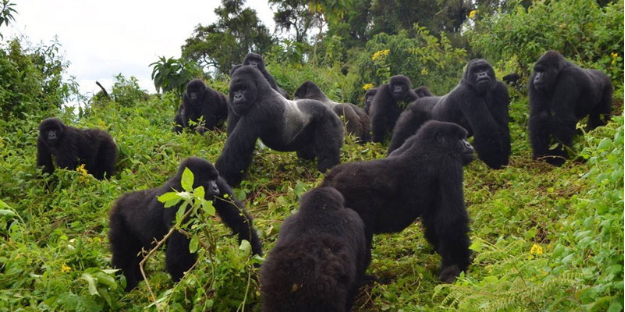
Uganda, often called the “Pearl of Africa,” offers one of the world’s most extraordinary wildlife experiences: gorilla trekking. This East African nation is home to more than half of the world’s remaining mountain gorillas, making it a premier destination for travelers seeking an authentic and transformative encounter with these magnificent primates. Uganda gorilla trekking tours provide an unparalleled opportunity to observe these gentle giants in their natural habitat, deep within the misty forests of the country’s national parks.
Why Choose Uganda for Gorilla Trekking
Uganda stands out as the ultimate destination for gorilla trekking for several compelling reasons. The country boasts two exceptional national parks where mountain gorillas thrive: Bwindi Impenetrable National Park and Mgahinga Gorilla National Park. Together, these protected areas shelter approximately 480 mountain gorillas, representing nearly half of the global population. This remarkable concentration means visitors have excellent chances of successful gorilla encounters during their trek.
Beyond the numbers, Uganda offers a more accessible and diverse gorilla trekking experience compared to neighboring countries. The terrain, while challenging, accommodates various fitness levels, and the country’s tourism infrastructure has matured significantly over the past decade. Multiple habituated gorilla families are available for trekking, allowing for more flexible scheduling and a more intimate experience with smaller group sizes limited to eight people per gorilla family per day.
Understanding Mountain Gorillas
Mountain gorillas are critically endangered primates that live in high-altitude forests ranging from 8,000 to 13,000 feet above sea level. These remarkable creatures share approximately 98% of their DNA with humans, making encounters with them profoundly moving. Adult males, known as silverbacks due to the distinctive silver hair on their backs, can weigh up to 430 pounds and stand nearly six feet tall.
These gentle giants live in family groups led by a dominant silverback who makes decisions about movement, feeding sites, and protection of the group. Observing their complex social structures, nurturing behaviors, and playful interactions provides insight into our own evolutionary heritage. Mountain gorillas are herbivores, spending much of their day foraging for vegetation, bamboo shoots, and fruits while moving through the forest.
Bwindi Impenetrable National Park: The Premier Trekking Destination
Bwindi Impenetrable National Park, a UNESCO World Heritage Site, encompasses 331 square kilometers of ancient rainforest in southwestern Uganda. This biodiversity hotspot is home to over 20 habituated gorilla families distributed across four main trekking sectors: Buhoma, Ruhija, Rushaga, and Nkuringo. Each sector offers unique landscapes and varying levels of trekking difficulty.
The park’s name accurately reflects the dense vegetation that characterizes this ancient forest. Towering trees draped with vines, thick undergrowth, and steep valleys create an atmosphere of primordial wilderness. The trek to locate gorilla families can take anywhere from one to six hours depending on their location, as gorillas are constantly moving in search of food. Expert trackers communicate via radio to guide trekking groups to the gorillas’ current location, ensuring successful encounters.
Beyond gorillas, Bwindi hosts an incredible array of biodiversity including 120 mammal species, 350 bird species (including 23 Albertine Rift endemics), and over 200 butterfly species. This ecological richness enhances the overall trekking experience, making each journey through the forest an adventure in discovery.
Mgahinga Gorilla National Park: The Alternative Jewel
Mgahinga Gorilla National Park, though smaller than Bwindi at just 33.7 square kilometers, offers equally rewarding gorilla trekking experiences. Located in Uganda’s southwestern corner where the country borders Rwanda and the Democratic Republic of Congo, Mgahinga forms part of the larger Virunga Conservation Area. The park encompasses three extinct volcanoes: Mount Muhabura, Mount Gahinga, and Mount Sabyinyo.
Currently, one habituated gorilla family, the Nyakagezi group, calls Mgahinga home, though they occasionally cross into Rwanda. The dramatic volcanic landscape provides a stunning backdrop for gorilla encounters, with open bamboo forests offering better visibility compared to Bwindi’s denser vegetation. The relatively smaller park size often means shorter trekking distances, making Mgahinga an excellent option for those with moderate fitness levels or limited time.
Planning Your Uganda Gorilla Trekking Tour
Successful gorilla trekking requires careful planning and preparation. The cornerstone of any trek is securing a gorilla trekking permit, which costs $800 per person for foreign non-residents as of 2025. These permits are highly sought after and should be booked months in advance, especially during peak seasons (June to September and December to February). Permits include one hour with a gorilla family, park entrance fees, ranger guide services, and security.
Most Uganda gorilla trekking tours span between three to five days, allowing time for travel to the parks, the actual trek, and potential rest days. The journey from Kampala, Uganda’s capital, to Bwindi takes approximately 8-10 hours by road, though some visitors opt for domestic flights to nearby airstrips, reducing travel time significantly. Many tour operators offer comprehensive packages that include transportation, accommodation, permits, and additional activities.
Accommodation options near both parks range from budget campsites to luxury eco-lodges, with many properties offering spectacular views of the surrounding forests and mountains. Staying close to the park reduces early morning travel time to trekking starting points, allowing for more rest before the physically demanding hike.

What to Expect During Your Trek
Gorilla trekking begins early in the morning with a briefing at park headquarters, where rangers explain trekking protocols, safety measures, and expected behavior around gorillas. Groups of up to eight trekkers are assigned to specific gorilla families based on fitness levels and trek difficulty preferences. Each group is accompanied by experienced ranger guides and trackers who ensure both visitor safety and gorilla protection.
The trek itself involves hiking through varied terrain including steep slopes, muddy paths, and dense vegetation. While challenging, the difficulty varies considerably depending on gorilla locations that day. Some treks last just an hour or two, while others may require four to six hours of hiking. Porters are available for hire to assist with carrying bags and providing physical support on difficult sections, a service that also supports local communities.
Upon locating the gorilla family, visitors spend a magical hour observing these incredible creatures from a respectful distance of at least seven meters. Watching gorillas feed, play, groom each other, and interact provides an intimate glimpse into their daily lives. The experience is deeply emotional for many visitors, creating lasting memories and a profound appreciation for conservation efforts.
Best Time to Visit
Uganda’s equatorial location means gorilla trekking is possible year-round, though certain periods offer advantages. The dry seasons from June to September and December to February provide easier trekking conditions with less mud and rain, though forests remain humid and misty regardless of season. These popular periods also see higher visitor numbers, making early permit booking essential.
The wet seasons (March to May and October to November) present more challenging trekking conditions with slippery trails and frequent rainfall. However, these months offer several advantages including lower accommodation rates, fewer tourists, lush forest scenery, and better birdwatching opportunities. Dedicated trekkers with proper rain gear often find wet season treks equally rewarding with the added benefit of a more solitary experience.
Conservation and Responsible Tourism
Uganda gorilla trekking tours play a crucial role in mountain gorilla conservation. Revenue from trekking permits directly funds park management, ranger salaries, anti-poaching efforts, and community development projects. This economic model has proven remarkably successful, with mountain gorilla populations gradually increasing from near extinction in the 1980s to over 1,000 individuals today.
Responsible tourism practices are essential to gorilla conservation. Strict protocols minimize disease transmission risks from humans to gorillas, including maintaining proper distances, wearing face masks during treks (especially important post-COVID-19), and excluding sick visitors from treks. These measures protect gorilla health while allowing sustainable tourism to continue supporting local livelihoods and conservation funding.
Community benefits from gorilla tourism extend beyond direct employment as rangers, guides, and porters. Revenue sharing programs allocate portions of permit fees to surrounding communities for infrastructure development, schools, and healthcare facilities. This community involvement creates local stakeholders in gorilla conservation, reducing human-wildlife conflict and poaching.
Combining Gorilla Trekking with Other Activities
Many visitors enhance their Uganda gorilla trekking tours by incorporating additional activities and destinations. The Batwa cultural experience offers insights into the indigenous forest people who traditionally lived in these forests before park establishment. Batwa guides share their ancestral knowledge of forest plants, traditional hunting techniques, and cultural practices through engaging community visits.
Nature walks, bird watching expeditions, and community visits complement gorilla trekking perfectly. For those seeking more adventure, mountain climbing opportunities exist in Mgahinga, where you can summit volcanic peaks offering spectacular panoramic views. Nearby Lake Bunyonyi, one of Africa’s deepest lakes, provides a relaxing retreat after strenuous trekking with opportunities for canoeing, swimming, and island exploration.
Many visitors combine gorilla trekking with Uganda’s other exceptional wildlife experiences, including chimpanzee tracking in Kibale Forest National Park, game drives in Queen Elizabeth or Murchison Falls National Parks, and boat safaris along the Nile River. These combinations create comprehensive Uganda safari experiences showcasing the country’s remarkable biodiversity.
Conclusion
Uganda gorilla trekking tours represent more than just a wildlife viewing experience—they offer a transformative journey into one of Africa’s most pristine wilderness areas. The opportunity to spend time with mountain gorillas in their natural habitat creates powerful connections between humans and nature, fostering appreciation for conservation and our place within the natural world. Uganda’s commitment to sustainable tourism, combined with its welcoming culture and spectacular landscapes, makes it the premier destination for this bucket-list adventure.
Whether you choose the vast expanses of Bwindi or the volcanic drama of Mgahinga, your gorilla trekking experience will undoubtedly rank among life’s most memorable moments. The combination of physical challenge, natural beauty, wildlife encounters, and cultural immersion creates a holistic adventure that resonates long after you’ve returned home.
Key Takeaways
- Uganda hosts nearly half of the world’s mountain gorillas across Bwindi Impenetrable National Park and Mgahinga Gorilla National Park, offering exceptional trekking opportunities.
- Gorilla trekking permits cost $800 per person and must be booked months in advance, particularly during peak seasons from June to September and December to February.
- Each trek allows one hour with a gorilla family in groups limited to eight people, ensuring intimate experiences that minimize stress on the gorillas.
- Physical fitness is important as treks can range from one to six hours through challenging terrain including steep slopes, dense vegetation, and muddy paths.
- Conservation success is significant with mountain gorilla populations increasing due to tourism revenue funding protection efforts and community development programs.
- Year-round trekking is possible though dry seasons offer easier hiking conditions while wet seasons provide fewer crowds and lower accommodation rates.
- Responsible tourism protocols protect gorillas through distance requirements, health screening, mask-wearing, and strict behavioral guidelines during encounters.
- Community benefits are substantial with tourism supporting local employment, infrastructure development, and creating stakeholders in conservation success.
Frequently Asked Questions
Q: How difficult is gorilla trekking in Uganda? A: Gorilla trekking difficulty varies considerably depending on the gorillas’ location on any given day. Treks can range from relatively easy one-hour hikes to challenging six-hour expeditions through steep, muddy terrain at high altitude. Moderate fitness is generally sufficient, though better fitness levels enhance enjoyment. Porters are available to assist with bags and provide physical support, making treks more manageable for various fitness levels.
Q: What is the minimum age for gorilla trekking? A: The minimum age for gorilla trekking in Uganda is 15 years. This restriction protects both young visitors and gorillas, as the trek can be physically demanding and gorillas are susceptible to human diseases. Age verification is required when purchasing permits, so bring proper identification documents.
Q: How close can you get to mountain gorillas? A: Official regulations require maintaining a minimum distance of seven meters (approximately 23 feet) from gorillas. However, gorillas may approach closer on their own initiative, particularly curious juveniles. In such cases, visitors should remain calm, avoid direct eye contact, and slowly move away if gorillas come too close. Rangers provide guidance on proper behavior throughout encounters.
Q: What should I pack for a gorilla trek? A: Essential items include sturdy waterproof hiking boots with good ankle support, long-sleeved shirts and trousers to protect against vegetation and insects, a rain jacket (regardless of season), gardening gloves for gripping vegetation, a hat, sunscreen, insect repellent, and plenty of water. Bring a camera without flash, though phones are permitted. Pack light as you’ll be hiking with your belongings.
Q: Can I trek if I’m sick? A: No. Gorillas share approximately 98% of human DNA, making them highly susceptible to human diseases. Even common colds can be fatal to gorillas. If you show any signs of illness (coughing, sneezing, fever, stomach issues), you will not be permitted to trek. Permit refunds are typically not available, though some operators offer travel insurance that covers illness-related cancellations.
Q: How are Uganda’s gorilla trekking permits priced compared to Rwanda? A: Uganda’s gorilla trekking permits at $800 per person are significantly more affordable than Rwanda’s permits, which cost $1,500 per person. Both countries offer equally spectacular gorilla encounters, but Uganda’s lower permit cost combined with more habituated gorilla families makes it an attractive option for budget-conscious travelers without compromising experience quality.
Q: What is the success rate of seeing gorillas? A: The success rate for gorilla sightings in Uganda exceeds 95%. Experienced trackers locate gorilla families before trekking groups set out, communicating via radio to guide groups to the gorillas’ current position. Gorillas are habituated to human presence and generally remain in predictable ranges, making unsuccessful treks extremely rare.
Q: Are gorilla treks safe? A: Yes, gorilla treks are very safe when following ranger guidelines. Armed rangers accompany all groups to protect against potential threats from forest elephants or buffalo, though dangerous encounters are extremely rare. Habituated gorillas are accustomed to human presence and generally peaceful. The greatest risks come from challenging terrain and physical exertion, emphasizing the importance of appropriate fitness levels and proper preparation.
Q: Can I visit multiple gorilla families? A: Yes, if you purchase multiple permits, you can trek to different gorilla families on different days. Each permit is valid for one trek to one family. Some dedicated gorilla enthusiasts trek multiple times to observe different family dynamics and behaviors. However, permits must be purchased separately for each trek, and availability depends on permit booking timelines.
Q: What photography rules apply during treks? A: Photography is permitted and encouraged, but flash photography is strictly prohibited as it can startle and distress gorillas. Keep camera sounds minimal, and avoid excessive movement while photographing. Video recording is also allowed under the same guidelines. The one-hour time limit with gorillas passes quickly, so balance photography with simply observing and absorbing the experience.