
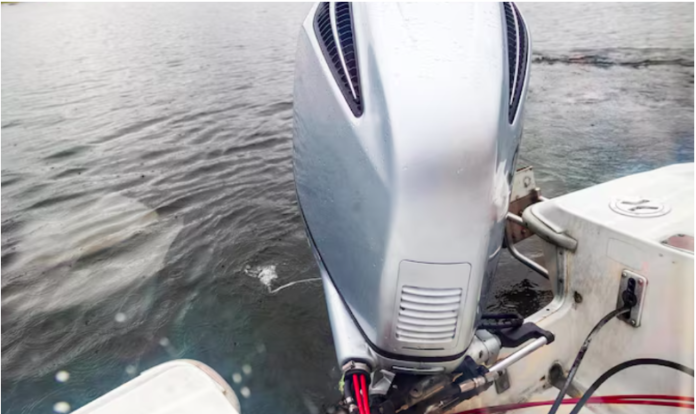
The performance of a jet-driven boat is heavily dependent on the efficiency of its propulsion system. Unlike traditional propeller-driven vessels that rely on an exposed blade to generate thrust, a jet boat draws water into a pump and discharges it at high velocity.
The central component facilitating this entire process is the intake system. Understanding how this part functions is crucial for any boater, as it directly dictates speed, fuel economy, and the ability to maneuver in shallow, challenging conditions.
Reliable performance begins at the very bottom of the transom. By ensuring that the intake is correctly designed and well-maintained, you allow your engine to operate at its full potential without unnecessary stress or power loss.
Maximizing Water Volume and Thrust
The primary goal of a jet drive is to move the largest possible volume of water through the impeller housing. If the water supply is restricted, the engine will fail to produce the required thrust, resulting in sluggish acceleration and poor top-end performance.
An efficiently designed outboard jet intake ensures that water enters the pump in a smooth, laminar flow.
This consistent delivery is what allows the boat to get on plane quickly, providing the necessary power to navigate across the surface rather than through the water, which is essential for shallow-water operation.
Mitigating Debris-Related Performance Loss
Operating in rivers and estuaries means contending with weeds, rocks, and silt. These materials can easily clog the water passages, causing a sudden drop in power and engine overheating.
A high-quality intake acts as a critical filter, preventing large debris from entering the pump housing while allowing sufficient water flow.
By maintaining your outboard jet intake in a clean, debris-free state, you prevent the common performance dips that occur when the engine is forced to struggle against blocked channels, ensuring that your journey remains uninterrupted.
Maintaining Internal Pump Integrity
The clearance between the impeller and the pump liner is precise, often measured in fractions of an inch. If foreign objects reach the pump, they can cause significant damage to these components, leading to internal rubbing and cavitation.
A well-constructed intake system serves as the first line of defense for these expensive internal parts. By stopping harmful objects before they reach the impeller, the unit protects the tight tolerances that are necessary for high-pressure water discharge, thereby preserving the life and efficiency of your propulsion assembly for many seasons.
Reducing Cavitation and Air Ingestion
Cavitation occurs when air bubbles form in the water stream, causing the pump to lose its bite and the engine to over-rev. This often happens if the water flow is turbulent or if the pump is starved of water.
A properly shaped outboard jet intake guides water smoothly into the pump, minimizing turbulence and preventing the ingestion of surface air.
By maintaining this steady flow, you eliminate the risk of cavitation, allowing for consistent performance and a much quieter, more stable ride across the water.
Optimizing Engine Operating Temperatures
In many jet drive designs, the engine cooling water is pulled through the same intake tract used for propulsion. If this area is blocked, the engine cannot receive the cooling water it requires, leading to rapid overheating and potential catastrophic mechanical failure.
Keeping your outboard jet intake clear is therefore a safety requirement as much as a performance necessity. A free-flowing system ensures that the engine remains within its ideal thermal range, protecting your investment from the high costs of heat-related damage.