
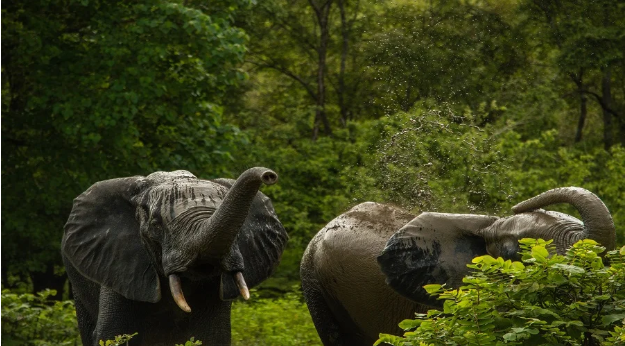
The right Tanzania safari package is not simply a collection of destinations and nights. It is a carefully composed journey — one where every element works in concert to deliver the Africa you have always imagined.
Introduction
Planning a Tanzania safari can feel simultaneously thrilling and overwhelming. The country’s sheer scale, ecological diversity, and abundance of operators, destinations, and itinerary formats create a landscape of choice that, without the right framework, can be as difficult to navigate as the Serengeti itself. Tanzania safari packages exist precisely to solve this challenge — offering pre-designed, professionally structured itineraries that combine the country’s finest wildlife destinations into coherent, well-paced journeys tailored to specific budgets, interests, group types, and travel styles.
A Tanzania safari package is, at its core, a promise: that the complexity of East African travel logistics — park fees, domestic flights, accommodation bookings, game drive schedules, meals, and guiding arrangements — has already been resolved, allowing you to step off the plane in Arusha or Dar es Salaam and into an experience that unfolds with seamless, expert precision.
But not all packages are created equal. The Tanzania safari market ranges from exceptional, ethically operated itineraries that deliver life-changing wildlife encounters and genuine conservation value, to poorly constructed, cost-cutting packages that compromise on the very elements — guide quality, vehicle reliability, appropriate timing, and authentic wildlife access — that make a safari extraordinary. Understanding the landscape of available packages, and knowing how to evaluate them intelligently, is the most important skill a prospective Tanzania safari traveller can develop.
This guide examines the main types of Tanzania safari packages available, the destinations they cover, the price tiers they operate across, and the criteria that distinguish a genuinely outstanding package from a merely adequate one.
The Main Types of Tanzania Safari Packages
Northern Circuit Safari Packages
The northern circuit is Tanzania’s most established and most visited safari route, and the majority of Tanzania safari packages are built around it. Connecting the city of Arusha with Tarangire National Park, Lake Manyara National Park, the Ngorongoro Conservation Area, and the Serengeti National Park, the northern circuit delivers the highest concentration of iconic wildlife experiences within a practical, well-serviced route.
Northern circuit packages typically range from five to ten days in duration. Shorter packages of five to six days prioritise one or two headline destinations — most commonly the Serengeti and Ngorongoro — and suit travellers with limited time who want the most concentrated wildlife experience available. Longer packages of seven to ten days incorporate Tarangire and Lake Manyara alongside the headline destinations, offering greater ecological diversity, a more measured pace, and time to move beyond the surface of each park into genuine familiarity with its landscapes and wildlife communities.
Northern circuit packages are available across every price tier — from budget camping itineraries to small-group mid-range lodge tours to bespoke luxury fly-in experiences — making this the most accessible and versatile safari package format in Tanzania.
Southern Circuit Safari Packages
Tanzania’s southern circuit encompasses the Selous Game Reserve, Nyerere National Park, and Ruaha National Park — three of Africa’s most significant protected areas and, collectively, one of the continent’s great wildlife wildernesses. Southern circuit packages are less commonly chosen by first-time Tanzania visitors but are enthusiastically sought by repeat travellers, wildlife photographers, and those specifically interested in African wild dogs, large elephant herds, walking safaris, and boat safaris on the Rufiji River.
Southern circuit packages are predominantly fly-in itineraries, as the road distances and infrastructure in southern Tanzania make overland travel impractical for most visitors. Domestic flights from Dar es Salaam or Julius Nyerere International Airport connect the southern parks efficiently, and the best southern circuit packages are built around intimate, high-quality camps that offer a genuinely exclusive wilderness experience in one of Africa’s least-visited safari landscapes.
A typical southern circuit package runs six to nine days, with time divided between Ruaha and the Selous ecosystem according to the traveller’s specific interests. Walking safari and boat safari elements are standard in well-designed southern packages, and the combination of these activity formats with traditional vehicle game drives delivers a depth and variety of wildlife engagement unavailable on the northern circuit.
Combined Northern and Southern Circuit Packages
For travellers with sufficient time — typically twelve to sixteen days — combined packages that bridge Tanzania’s northern and southern circuits deliver the country’s full ecological range within a single, seamless itinerary. These are among the most ambitious and rewarding safari packages available anywhere in Africa, moving from the iconic open plains and Migration spectacle of the Serengeti to the remote riverine wilderness of Ruaha and the extraordinary waterway biodiversity of the Selous.
Combined packages are almost always fly-in itineraries for the southern circuit component, with domestic flights connecting the two circuits efficiently. They represent the best single framework for experiencing Tanzania’s extraordinary breadth — and they are the preferred choice of experienced safari travellers who want more than the northern circuit alone can offer.
Beach and Safari Combination Packages
Tanzania’s geographical fortune — placing extraordinary wildlife wilderness within a short flight of the Indian Ocean coastline — has made beach and safari combination packages one of the most popular formats in the East African travel market. These packages typically combine a northern or southern circuit safari itinerary with a concluding stay on Zanzibar, Mafia Island, or the Pemba Island archipelago, delivering the full contrast of bush and ocean within a single, beautifully structured journey.
Zanzibar is by far the most commonly included beach destination, offering a rich Swahili cultural experience alongside excellent swimming, snorkelling, and diving in the warm turquoise waters of the Indian Ocean. Beach and safari combination packages range from five-day introductory formats to extended twelve-day journeys and are available across all price tiers, from comfortable mid-range to ultra-luxury boutique properties.
Specialist Safari Packages
Beyond the standard circuit and combination formats, Tanzania supports an exceptional range of specialist safari packages designed around specific wildlife interests, activities, or travel purposes.
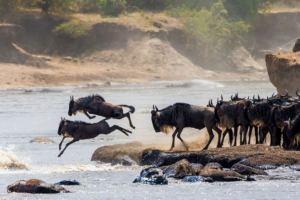
Great Migration packages are structured specifically around the annual movement of more than 1.5 million wildebeest and hundreds of thousands of zebra through the Serengeti ecosystem, with itinerary timing and camp selection calibrated to match the Migration’s seasonal position — calving in the south (January to March), northward movement through the central Serengeti (April to June), and the dramatic Mara River crossings of the north (July to October).
Photographic safari packages combine specialist wildlife photography guides, vehicles modified to accommodate professional camera equipment, and itineraries structured around optimal light conditions — early morning golden hour and late afternoon sessions — with extended time at productive wildlife locations.
Chimpanzee trekking packages typically combine a Serengeti or Ruaha wildlife safari with a fly-in to Mahale Mountains National Park or Gombe Stream National Park for guided chimpanzee habituation trekking — one of Africa’s most extraordinary and intimate wildlife experiences.
Kilimanjaro combination packages connect a summit climb of Africa’s highest peak with a post-climb safari recovery and wildlife itinerary, typically on the northern circuit, in a format that appeals to adventure travellers seeking both physical challenge and wildlife immersion within a single Tanzania journey.
Understanding Tanzania Safari Package Pricing
What Is Typically Included
Well-structured Tanzania safari packages should be comprehensively inclusive. Standard inclusions in reputable packages cover: all accommodation on the itinerary, all meals and drinking water, game drive activities as specified, national park entrance fees and conservation levies, airport and inter-camp transfers, domestic flights where applicable, and the services of a certified professional guide throughout.
Premium packages additionally include all beverages including alcohol, laundry services, specialist activity supplements such as balloon safaris or crater hikes, and pre- and post-trip Arusha accommodation.
Price Tiers and What to Expect
Budget packages ($100–$250 per person per day) are built around public campsites or simple tented camps, shared vehicles with up to eight passengers, and a straightforward northern circuit route. These packages deliver genuine wildlife experiences at accessible price points and are well-suited to adventurous travellers whose priority is time in the field rather than accommodation comfort.
Mid-range packages ($250–$600 per person per day) offer comfortable lodge or permanent tented camp accommodation with private bathrooms, smaller group sizes, and more thoughtfully constructed itineraries that balance time allocation between destinations more effectively. Guide quality at this tier is generally higher than budget packages, and vehicles are typically newer and better maintained.
Luxury packages ($600–$2,000+ per person per day) provide high-end or ultra-luxury accommodation, private vehicles and dedicated guides, access to exclusive concessions, and itineraries designed with a level of craft and personalisation that transforms the safari from a tour into a curated experience. Inclusions are comprehensive, service is exceptional, and the overall quality of wildlife access — through private concession game drives, night drives, and walking safaris — is categorically superior to lower tiers.
Hidden Costs to Watch For
Reputable operators publish fully inclusive pricing. Travellers should be cautious of packages that exclude park fees, domestic flights, or conservation levies from the headline price — these costs are substantial and their exclusion from quoted rates is a common source of unwelcome budget surprises. Always request a full written breakdown of inclusions and exclusions before committing to a package booking.
How to Evaluate a Tanzania Safari Package
Guide Certification and Experience
The single most important variable in any Tanzania safari package is the quality of the assigned guide. Ask operators specifically about guide certification — Tanzania Tourist Board (TTB) licensing is the baseline standard — and about the specific guide’s years of experience, areas of specialist knowledge, and whether the same guide will accompany your entire itinerary or be replaced at different destinations.
Vehicle Age and Condition
Safari vehicle quality directly affects both the quality of wildlife encounters and the comfort of long game-drive days on unpaved tracks. Ask operators for the year, make, and model of the vehicles used on your package. Pop-top Land Cruisers from Toyota are the gold standard for Tanzanian safari travel; vehicles older than ten years or without functional pop-top roofs significantly compromise game viewing quality.
Conservation and Community Credentials
Tanzania’s best safari packages are operated by companies with genuine, verifiable commitments to conservation and community benefit. Ask operators specifically about their relationships with conservation organisations, anti-poaching programmes, and local community initiatives. Operators who cannot answer this question clearly or substantively are likely operating without meaningful conservation investment — a significant consideration for travellers who care about the long-term health of the ecosystems they are visiting.
Reviews and References
Independent reviews from verified past travellers — on specialist Africa travel platforms, general travel review sites, and operator-provided references — provide the most reliable insight into real package quality, particularly regarding guide excellence, vehicle reliability, and the gap between advertised and actual experience.
Key Takeaways
- Tanzania safari packages range from five-day budget camping circuits to sixteen-day combined northern and southern luxury fly-in itineraries — matching the extraordinary diversity of the country’s ecosystems with an equally diverse range of travel formats and price tiers.
- The northern circuit remains the most versatile and accessible package format, covering Tarangire, Manyara, Ngorongoro, and the Serengeti within a practical and well-serviced route suitable for all budgets and experience levels.
- Beach and safari combination packages — typically pairing a northern circuit safari with a Zanzibar finale — are among the most popular and satisfying Tanzania travel formats, delivering the full contrast of bush and ocean within a single seamless journey.
- Package pricing should be fully inclusive — park fees, domestic flights, conservation levies, meals, and activities should all be clearly stated; headline prices that exclude major cost components are a significant red flag.
- Guide quality is the most important single variable in package evaluation — TTB-certified, experienced naturalists transform the same wildlife landscape into a categorically superior experience compared to under-qualified alternatives.
- Specialist packages — Migration-timed, photographic, chimpanzee trekking, Kilimanjaro combination — offer depth of experience unavailable on standard circuit formats and are strongly recommended for travellers with specific wildlife interests or physical adventure goals.
- Conservation credentials matter — choose operators whose packages demonstrably invest in wildlife protection and community benefit; this is both ethically important and a strong indicator of overall operator quality and long-term commitment to the destinations they sell.
Questions & Answers
Q: How far in advance should I book a Tanzania safari package? A: For peak season travel (July to October and January to February), booking twelve to eighteen months in advance is strongly recommended for the most sought-after packages, particularly those involving exclusive concession camps, specialist guides, or the Great Migration’s most productive northern Serengeti crossing sites. Mid-range and budget packages can often be secured with three to six months’ notice outside peak season. Last-minute package bookings are possible but involve significant compromise on camp availability, vehicle allocation, and guide assignment. Zanzibar beach extensions during peak holiday periods — Christmas, New Year, and European summer — book out well in advance and should always be confirmed early.
Q: What is the best Tanzania safari package for first-time visitors? A: For first-time Tanzania visitors, the seven to eight day northern circuit package combining Tarangire (two nights), Ngorongoro (one to two nights), and the Serengeti (two to three nights) represents the single most rewarding introduction to Tanzania’s wildlife. This format delivers the Big Five, the Great Migration (seasonally), and the full ecological diversity of the northern circuit within a well-paced, logistically straightforward itinerary. Adding a three to four night Zanzibar beach extension provides a perfect physical and sensory contrast to conclude the journey. Mid-range lodge accommodation is recommended for first-time visitors who want a comfortable, well-serviced introduction to Tanzania safari travel.
Q: Are Tanzania safari packages customisable, or are they fixed itineraries? A: Both formats exist and serve different needs. Set departure packages offer fixed itineraries with scheduled start dates, pre-assigned accommodation, and group vehicle arrangements — these are efficient, cost-effective, and well-suited to solo travellers, couples, and small groups who want a structured experience without the complexity of custom planning. Bespoke packages are built from scratch around a traveller’s specific dates, interests, budget, and group composition — these are the preferred format for families, special occasions, specialist interest travel, and anyone whose requirements fall outside standard itinerary templates. Most reputable Tanzania safari operators offer both formats, with bespoke itinerary design available at mid-range and luxury price points.
Q: What is the difference between a fly-in and overland Tanzania safari package? A: An overland safari package moves between destinations by road, typically in the same safari vehicle used for game drives. This format is standard on the northern circuit, where paved roads connect major towns and reasonable tracks link park gates to accommodation. Overland packages are generally more affordable and offer the additional wildlife viewing opportunity of travel between parks — roadside sightings on the drive between Arusha and Tarangire, or between Karatu and the Serengeti gate, are not uncommon. A fly-in safari package uses domestic light aircraft to connect destinations, saving significant travel time and enabling access to remote parks — particularly in southern Tanzania — that would be impractical or impossible to reach by road within a standard itinerary duration. Fly-in packages command a premium but deliver more time in the field and access to destinations unavailable on overland itineraries.
Q: Can Tanzania safari packages be booked directly, or is a travel agent necessary? A: Tanzania safari packages can be booked directly with Tanzania-based operators — many of whom have professional online booking systems and English-speaking sales teams — or through specialist Africa travel agencies and international tour operators who act as intermediaries. Booking directly with a reputable Tanzania operator often delivers better value, as international intermediary commissions (typically 15–25% of the package price) are eliminated. However, specialist Africa travel agencies provide genuine value in the form of independent quality verification, comparative operator knowledge, logistical expertise across multi-country itineraries, and consumer protection in the event of operator failure. For first-time Tanzania travellers and complex multi-destination itineraries, a specialist travel advisor’s expertise typically justifies their fee.
Conclusion
A Tanzania safari packages ultimately, a vehicle for something that cannot be packaged at all: the experience of standing at the edge of an ancient landscape and feeling the smallness and wonder of your own existence in the face of Africa’s primordial wilderness.
The right package — well-timed, intelligently structured, guided by someone who knows every kopje and river course and animal trail in their park — delivers you to that experience with the minimum of friction and the maximum of presence. The wrong package, however attractively priced, places obstacles between you and it: uncomfortable vehicles, inexperienced guides, rushed schedules, and accommodation that undermines rather than enhances the restorative power of the wilderness beyond its walls.
Choosing a Tanzania safari package deserves the same care and investment of research that the journey itself deserves. The destinations — the Serengeti, the Ngorongoro Crater, Tarangire, Ruaha, the Selous — have been forming and sustaining extraordinary life for longer than the human mind can fully comprehend. They will still be there, unchanged in their essential magnificence, when you arrive. Your task is simply to give yourself the best possible chance of truly encountering them.