

An Kenya safari is one of the most extraordinary travel experiences in the world. Renowned for its breathtaking landscapes, abundant wildlife, and rich cultural heritage, Kenya has earned its reputation as the birthplace of the modern safari. Every year, thousands of travelers visit this East African nation to witness majestic lions, towering elephants, graceful giraffes, and the spectacular Great Migration.
Whether you’re a first-time visitor or a seasoned wildlife enthusiast, Kenya offers unforgettable adventures that combine luxury, nature, and authentic African culture. From the iconic Maasai Mara National Reserve to Amboseli National Park with its stunning views of Mount Kilimanjaro, Kenya promises memories that last a lifetime.
In this comprehensive guide, you’ll discover everything you need to know about Kenya safaris, including the best parks, ideal travel seasons, safari types, wildlife, accommodation options, travel tips, and frequently asked questions.
Why Choose Kenya for a Safari?
Kenya and Bwindi forest national park is considered one of Africa’s premier safari destinations for several compelling reasons:
- Home to the famous Big Five
- Host of the Great Wildebeest Migration
- Diverse ecosystems including savannahs, forests, lakes, and mountains
- Excellent luxury and budget safari options
- Rich Maasai and Samburu cultural experiences
- Well-developed tourism infrastructure
- Beautiful Indian Ocean coastline for beach extensions
Unlike many safari destinations, Kenya combines wildlife viewing with cultural tourism and scenic beauty, making it ideal for families, honeymooners, photographers, and adventure travelers.
Top Safari Destinations in Kenya
1. Maasai Mara National Reserve
The Maasai Mara is Kenya’s most famous safari destination and one of the world’s best wildlife reserves.
Highlights include:
- The Great Migration
- Big Five sightings
- Hot air balloon safaris
- Luxury safari lodges
- Maasai village visits
The reserve offers exceptional game viewing throughout the year, making it a must-visit destination.
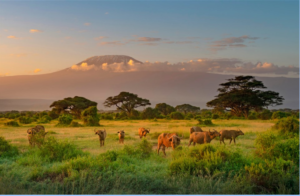
2. Amboseli National Park
Located near the Tanzania safaris border, Amboseli is famous for:
- Large elephant herds
- Stunning Mount Kilimanjaro views
- Excellent photography opportunities
- Diverse birdlife
The park is ideal for travelers seeking iconic African landscapes.
3. Tsavo National Parks
Tsavo East and Tsavo West together form one of Africa’s largest protected wildlife areas.
Visitors can enjoy:
- Red elephants
- Lions
- Leopards
- Volcanic landscapes
- Mzima Springs
The parks are less crowded than Maasai Mara while offering outstanding wildlife encounters.
4. Lake Nakuru National Park
Lake Nakuru is well known for:
- Flamingos
- White rhinos
- Black rhinos
- Rothschild giraffes
- Scenic viewpoints
It is one of Kenya’s best destinations for birdwatchers.
5. Samburu National Reserve
Located in northern Kenya, Samburu offers a unique safari experience featuring rare wildlife species such as:
- Grevy’s zebra
- Reticulated giraffe
- Somali ostrich
- Beisa oryx
- Gerenuk
The reserve is perfect for travelers looking for something beyond traditional safari routes.
The Big Five Animals
One of the main reasons tourists choose Kenya safaris is the opportunity to see the legendary Big Five:
- Lion
- Leopard
- Elephant
- Buffalo
- Rhinoceros
Originally named by hunters due to the difficulty of hunting them on foot, these animals are now the highlight of photographic safaris.
The Great Migration
The Great Migration is considered one of the greatest wildlife spectacles on Earth.
Every year:
- Over 1.5 million wildebeest migrate
- Hundreds of thousands of zebras join them
- Massive herds cross crocodile-filled rivers
- Predators closely follow the migration
The migration usually reaches Kenya between July and October, making this the peak safari season.
Best Time to Visit Kenya
June to October
- Dry season
- Excellent wildlife viewing
- Great Migration
- Pleasant temperatures
November to December
- Short rains
- Fewer tourists
- Lower prices
January to March
- Warm weather
- Baby animals
- Excellent photography
April to May
- Long rainy season
- Budget-friendly travel
- Lush green landscapes
Although safaris are available year-round, July through October is widely regarded as the best period.
Types of Kenya Safaris
Game Drive Safari
The classic safari experience involving 4×4 vehicles led by experienced guides.
Ideal for:
- Families
- First-time visitors
- Wildlife lovers
Walking Safari
Guided walks allow visitors to experience nature up close while learning about:
- Animal tracks
- Plants
- Birds
- Local ecosystems
Hot Air Balloon Safari
One of Kenya’s most luxurious experiences.
Visitors enjoy:
- Sunrise flights
- Spectacular aerial views
- Champagne breakfast
- Incredible photography
Luxury Safari
Luxury safaris feature:
- Five-star lodges
- Private guides
- Gourmet dining
- Spa facilities
- Personalized service
Budget Camping Safari
Perfect for adventurous travelers seeking affordable wildlife experiences.
Camping safaris offer:
- Comfortable tents
- Campfire evenings
- Guided game drives
- Excellent value
Wildlife Beyond the Big Five
Kenya is home to more than 25,000 animal species and over 1,100 bird species.
Visitors may encounter:
- Cheetahs
- Hyenas
- Hippos
- Crocodiles
- Zebras
- Giraffes
- Gazelles
- Wildebeest
- Ostriches
- Eagles
- Flamingos
Every safari offers unique wildlife encounters.
Cultural Experiences
A Kenya safari is more than wildlife.
Many tours include visits to local communities where travelers can learn about:
- Maasai traditions
- Traditional dances
- Handcrafted jewelry
- Indigenous customs
- Local cuisine
These experiences enrich the overall safari adventure.
Safari Accommodation Options
Kenya offers accommodation for every budget.
Luxury Lodges
- Private villas
- Infinity pools
- Gourmet restaurants
- Premium service
Tented Camps
A perfect blend of adventure and comfort.
Mid-range Lodges
Affordable with modern amenities.
Budget Campsites
Ideal for backpackers and adventure travelers.
What to Pack for a Kenya Safari
Essential items include:
- Neutral-colored clothing
- Comfortable hiking shoes
- Binoculars
- Camera
- Sunscreen
- Sunglasses
- Hat
- Insect repellent
- Reusable water bottle
- Light jacket for mornings
Packing wisely enhances the safari experience.
Safety Tips
Kenya and Rwanda safaris are generally safe for tourists when visiting established safari destinations.
Helpful tips include:
- Follow your guide’s instructions.
- Stay inside safari vehicles unless permitted.
- Respect wildlife.
- Keep valuables secure.
- Purchase travel insurance.
- Stay hydrated.
- Carry necessary medications.
Sustainable Tourism
Responsible tourism helps preserve Kenya’s wildlife and supports local communities.
Travelers can contribute by:
- Choosing eco-friendly lodges
- Avoiding single-use plastics
- Respecting wildlife
- Supporting local businesses
- Purchasing authentic handmade crafts
Sustainable travel ensures future generations can enjoy Kenya’s natural beauty.
Why Kenya Safaris Are Worth It
A Kenya safari offers much more than animal viewing.
Visitors experience:
- Incredible landscapes
- Unique wildlife
- African culture
- Luxury hospitality
- Adventure activities
- World-famous photography opportunities
Whether watching lions hunt, witnessing elephant herds beneath Mount Kilimanjaro, or floating over the Maasai Mara in a hot air balloon, and congo trips every moment becomes unforgettable.
Key Takeaways
- Kenya is one of Africa’s top safari destinations.
- The Maasai Mara is famous for the Great Migration.
- Amboseli National Park is renowned for elephants and Mount Kilimanjaro views.
- Visitors can see the Big Five and hundreds of other wildlife species.
- The best safari season is from July to October.
- Kenya offers luxury, mid-range, and budget safari options.
- Cultural experiences with the Maasai enrich every safari.
- Responsible tourism helps protect wildlife and local communities.
- Kenya provides unforgettable adventures for families, couples, photographers, and solo travelers.
- Proper planning and packing ensure the best safari experience.
Frequently Asked Questions (FAQs)
1. What is the best time for a Kenya safari?
The best time is from July to October during the dry season and the Great Migration.
2. How many days are ideal for a Kenya safari?
A safari lasting 5 to 7 days allows visitors to explore multiple parks comfortably.
3. Can I see the Big Five in Kenya?
Yes. Kenya is one of the best places in Africa to spot all members of the Big Five.
4. Are Kenya safaris suitable for families?
Absolutely. Many safari lodges provide family-friendly accommodations and activities.
5. Is Kenya safe for tourists?
Yes, especially within established safari parks and when traveling with licensed tour operators.
6. What should I wear on safari?
Wear lightweight, neutral-colored clothing along with comfortable walking shoes and sun protection.
7. Are luxury safaris worth the cost?
Luxury safaris provide exceptional comfort, personalized service, and exclusive wildlife experiences.
8. Do I need vaccinations before traveling?
Travel requirements vary by country. Consult your healthcare provider several weeks before departure.
9. Can I combine a safari with a beach holiday?
Yes. Many travelers combine a Kenya safari with beach destinations along the Indian Ocean.
10. Is photography allowed during safaris?
Yes. Kenya is one of the world’s best wildlife photography destinations.
Conclusion
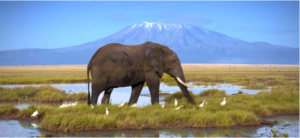
A Kenya and Uganda safaris is more than a vacation—it’s a life-changing journey into the heart of Africa’s wilderness. From witnessing the awe-inspiring Great Migration in the Maasai Mara to observing majestic elephants in Amboseli beneath the shadow of Mount Kilimanjaro, every experience showcases the remarkable beauty and diversity of Kenya. Coupled with rich cultural encounters, world-class accommodations, and unforgettable wildlife viewing, Kenya remains one of the finest safari destinations on Earth.
Whether you’re seeking adventure, relaxation, photography, or a deeper connection with nature, a Kenya safari offers something truly special. With thoughtful planning and a spirit of exploration, you’ll return home with lasting memories and a newfound appreciation for Africa’s extraordinary landscapes and wildlife.