
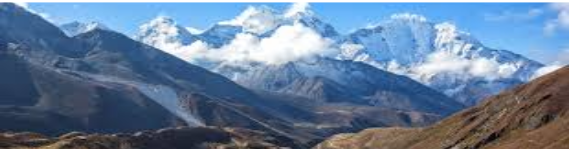
The Everest Base Camp (EBC) Trek is widely regarded as one of the most iconic and rewarding trekking experiences in the world. Nestled in the heart of the Himalayas, this legendary route offers breathtaking scenery, rich cultural encounters, and a profound sense of achievement. For adventurers, nature enthusiasts, and cultural explorers alike, the trek to Everest Base Camp represents far more than a physical journey—it is a deeply transformative experience.
Introduction to the Trek
The Everest Base Camp Trek takes travelers to the base of Mount Everest, the tallest mountain on Earth, standing at 8,848.86 meters (29,031.7 feet). Located in Nepal’s Khumbu region, the trek typically begins with a flight to Lukla, a small mountain town that serves as the gateway to the Everest region. From there, trekkers follow a well-established trail through picturesque villages, dense forests, suspension bridges, and glacial landscapes.
The standard trek usually takes about 12 to 14 days, depending on the itinerary and acclimatization schedule. While it does not require technical climbing skills, it does demand a good level of physical fitness and mental resilience due to the high altitude and challenging terrain.
Scenic Beauty and Natural Wonders
One of the most compelling aspects of the Everest Base Camp Trek is the unparalleled natural beauty it offers. Trekkers are treated to awe-inspiring views of towering peaks, including Everest, Lhotse, Nuptse, Ama Dablam, and Thamserku. The ever-changing landscape—from lush rhododendron forests to barren alpine terrain—keeps the journey visually engaging.
The trek also passes through Sagarmatha National Park, a UNESCO World Heritage Site known for its diverse flora and fauna. Wildlife enthusiasts may encounter Himalayan tahr, musk deer, snow leopards (rarely), and a variety of bird species, including the colorful Himalayan monal.
Glaciers and rivers play a prominent role in the trek’s landscape. The Khumbu Glacier, one of the largest in the region, is a striking feature near Everest Base Camp. The roaring Dudh Koshi River accompanies trekkers for much of the journey, adding both beauty and challenge with its numerous suspension bridge crossings.
Cultural Experience
Beyond its natural splendor, the Everest Base Camp Trek offers a rich cultural experience. The Khumbu region is home to the Sherpa people, renowned for their mountaineering expertise and warm hospitality. Trekkers have the opportunity to interact with local communities, learn about their traditions, and gain insight into their daily lives.
Buddhism plays a central role in Sherpa culture, and this is evident throughout the trek. Colorful prayer flags flutter in the wind, mani stones inscribed with sacred mantras line the trails, and ancient monasteries provide moments of spiritual reflection. One of the most significant stops is the Tengboche Monastery, the largest in the region, where trekkers can witness traditional rituals and ceremonies.
Challenges and Acclimatization
While the Everest Base Camp Trek is achievable for many people, it is not without its challenges. The primary difficulty is the high altitude. As trekkers ascend, the oxygen level decreases, increasing the risk of altitude sickness. Proper acclimatization is essential to ensure safety and success.
Most itineraries include rest days in key locations such as Namche Bazaar and Dingboche. These days allow the body to adjust to the thinning air and reduce the likelihood of altitude-related illnesses. Trekkers are advised to ascend slowly, stay hydrated, and listen to their bodies.
Weather conditions can also be unpredictable. Temperatures can drop significantly, especially at higher elevations, and snowfall is possible even during peak trekking seasons. Proper gear, including warm clothing and sturdy footwear, is crucial.
Best Time to Trek
The best times to undertake the Everest Base Camp Trek are during the pre-monsoon (spring) and post-monsoon (autumn) seasons. Spring, from March to May, offers blooming rhododendrons and relatively stable weather. Autumn, from September to November, provides clear skies and excellent visibility of the mountains.
Winter treks are possible but come with extreme cold and fewer facilities, while the monsoon season (June to August) brings heavy rainfall, slippery trails, and limited views due to cloud cover.
Physical Preparation and Packing
Preparation is key to a successful trek. Cardiovascular fitness, strength training, and endurance exercises should be part of a trekker’s routine for several weeks or months before the journey. Hiking practice with a loaded backpack is especially beneficial.
Packing wisely is equally important. Essential items include layered clothing, a high-quality sleeping bag, trekking poles, a first aid kit, water purification methods, and energy snacks. Since porters are often used, trekkers can carry a lighter daypack with essentials.
The Final Ascent and Experience
Reaching Everest Base Camp is a moment of immense pride and accomplishment. Although the base camp itself does not offer a direct view of the Everest summit, the sense of being at the foot of the world’s highest mountain is truly unforgettable.
Many trekkers also hike to Kala Patthar, a nearby viewpoint that provides one of the best panoramic views of Mount Everest, especially at sunrise. This final climb is often considered the highlight of the trek due to its stunning vistas.
Conclusion
The Everest Base Camp Trek is more than just a physical journey—it is an adventure that challenges the body, enriches the mind, and nourishes the soul. From its majestic mountain scenery to its vibrant cultural heritage, every step of the trek offers something unique and memorable.
For those willing to embrace the challenges and immerse themselves in the experience, the trek to Everest Base Camp stands as a testament to human determination and the enduring allure of the natural world. It is a journey that leaves a lasting impression, inspiring trekkers long after they have returned home.