
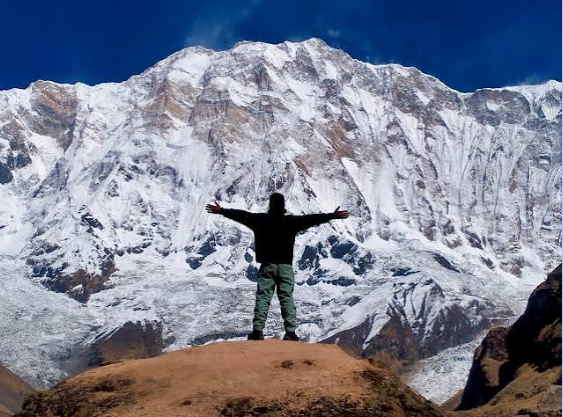
Nepal’s Annapurna region is one of the country’s most diverse trekking destinations, offering spectacular mountain views, traditional villages, lush forests, terraced hillsides, and rich cultural experiences. For travelers with limited time, an Annapurna trek 7 days can provide a compact introduction to the region, while Mardi Himal treks offer a quieter journey through the foothills of the Annapurna range.
Both options provide beautiful Himalayan scenery, but they differ in route, altitude, difficulty, and overall trekking experience. Choosing between them depends largely on available time, fitness level, and the type of landscape and mountain experience a traveler is seeking.
Annapurna Trek 7 Days
An Annapurna trek 7 days itinerary can be designed around several routes in the Annapurna region. Depending on the chosen trail and transportation arrangements, a seven-day program may focus on lower-altitude viewpoints, traditional villages, or sections of the Annapurna trekking routes.
For travelers looking for a classic short Himalayan experience, routes around Ghorepani and Poon Hill are commonly considered because they provide impressive mountain scenery without requiring an extended high-altitude itinerary.
Sample 7-Day Annapurna Itinerary
The exact itinerary can vary, but a short Annapurna journey may follow this structure:
Day 1: Kathmandu to Pokhara and Trek Starting Point
The journey begins with travel from Kathmandu to Pokhara by road or flight.
From Pokhara, transportation continues toward the selected trekking starting point.
Day 2: Trek Through Mountain Villages
The trail passes through forests, terraced farmland, and traditional settlements.
Depending on the route, trekkers may encounter Gurung and Magar communities.
Day 3: Continue Toward the Mountain Viewpoint
The trail gradually gains elevation through rhododendron forests and mountain villages.
Clear weather can provide views of peaks in the Annapurna and Dhaulagiri ranges.
Day 4: Poon Hill or Another Viewpoint
An early morning hike to Poon Hill can provide sunrise views over the Himalayas.
From the viewpoint, trekkers may see Annapurna South, Dhaulagiri, Machhapuchhre, and other surrounding peaks when conditions are clear.
Day 5: Descent Through Forests
The route descends toward lower villages, passing through forests and terraced landscapes.
Day 6: Return Toward Pokhara
The trek concludes with a descent and road transfer toward Pokhara.
Day 7: Pokhara to Kathmandu
The final day involves returning to Kathmandu by road or flight.
The itinerary can be modified according to transportation schedules and the chosen trekking route.
Highlights of an Annapurna Trek
An Annapurna trek 7 days can include a variety of attractions:
- Himalayan mountain views
- Poon Hill
- Annapurna South
- Dhaulagiri
- Machhapuchhre
- Rhododendron forests
- Traditional villages
- Terraced farmland
- Gurung and Magar culture
- Scenic mountain trails
The shorter duration makes this type of itinerary practical for travelers who cannot commit to a two- or three-week trek.
Mardi Himal Treks
Mardi Himal treks have become popular among travelers seeking a relatively quiet trekking route with spectacular views of the Annapurna range.
The Mardi Himal route takes trekkers through forests, alpine meadows, traditional settlements, and high ridges beneath Machhapuchhre, also known as Fishtail Mountain.
The route generally begins near Pokhara and gradually climbs toward Mardi Himal Base Camp.
Why Choose Mardi Himal?
Mardi Himal provides a combination of mountain scenery and peaceful trekking trails.
Major attractions include:
- Machhapuchhre
- Mardi Himal
- Annapurna South
- Hiunchuli
- Annapurna I views
- Rhododendron forests
- High ridges
- Traditional villages
- Mountain sunrise and sunset views
One of the distinctive features of the route is the ridge walking section, where trekkers can enjoy broad views across the surrounding mountains.
Typical Mardi Himal Trek Itinerary
The exact itinerary varies, but a typical trek may take around five to seven days.
Day 1: Pokhara to Kande and Trek to Forest Camp
The trek begins with a short drive from Pokhara to Kande.
From there, the trail climbs through forest toward Forest Camp.
Day 2: Forest Camp to High Camp
The route continues through rhododendron forests and gradually enters more open terrain.
As the elevation increases, mountain views become increasingly impressive.
Day 3: High Camp and Mardi Himal Base Camp
An early morning hike toward Mardi Himal Base Camp or the upper viewpoint provides spectacular views of the Annapurna range.
Trekkers can then return toward High Camp.
Day 4–6: Descent and Return to Pokhara
The trail descends through villages and forests before reaching the road.
Transportation then returns trekkers to Pokhara.
Some itineraries add additional days for acclimatization, exploration, or a slower walking pace.
Difficulty of Mardi Himal Treks
Mardi Himal is generally considered a moderate trekking route, although the difficulty varies according to the itinerary, weather, and individual fitness.
The route includes:
- Steep uphill sections
- Stone steps
- Forest trails
- Ridge walking
- Long downhill sections
The higher sections can become cold and snowy during winter.
Regular walking and hiking before the trek can help improve endurance.
Altitude Considerations
Although Mardi Himal is shorter than many high-altitude Himalayan routes, altitude should still be considered.
The highest sections of the trek are above 4,000 meters, depending on the exact viewpoint reached.
Trekkers should maintain a steady pace, stay hydrated, and pay attention to symptoms such as headache, dizziness, nausea, unusual fatigue, or breathing difficulties.
Anyone experiencing significant altitude-related symptoms should inform their guide and descend if advised.
Annapurna Trek vs. Mardi Himal
Both routes offer beautiful mountain scenery, but the experiences are different.
Annapurna Trek 7 Days
An Annapurna trek 7 days is suitable for travelers looking for:
- A short Himalayan holiday
- Traditional villages
- Poon Hill or other viewpoints
- Forest trails
- Cultural experiences
- Flexible short itineraries
Mardi Himal Treks
Mardi Himal treks are suitable for travelers interested in:
- Machhapuchhre views
- High ridges
- Quieter trails
- Rhododendron forests
- Alpine landscapes
- A relatively short but scenic Himalayan adventure
Best Time for Annapurna and Mardi Himal
Spring and autumn are traditionally popular trekking seasons.
Spring
March to May generally offers pleasant trekking conditions, and rhododendron forests can be particularly attractive during this period.
Autumn
September to November is popular for stable weather and good mountain visibility.
Winter
Winter can bring snow and freezing temperatures at higher elevations, especially on Mardi Himal’s upper sections.
Monsoon
June to August brings significant rainfall to the Annapurna region. Trails can become muddy and slippery, and cloud cover may reduce mountain visibility.
Current weather conditions should be checked before beginning the trek.
Accommodation and Food
Tea houses and trekking lodges are available along established routes.
Accommodation is generally simple, with more basic facilities at higher elevations.
Common meals include:
- Dal bhat
- Rice
- Noodles
- Soups
- Vegetables
- Eggs
- Bread
- Potatoes
- Tibetan-style dishes
Travelers should carry snacks and sufficient water for longer walking days.
What to Pack
A suitable packing list for either route can include:
- Comfortable trekking boots
- Warm layers
- Waterproof jacket
- Trekking trousers
- Gloves
- Warm hat
- Sunglasses
- Sunscreen
- Reusable water bottle
- Trekking poles
- Headlamp
- Personal medication
- Basic first-aid supplies
- Sleeping bag if required
The exact equipment depends on the season and selected itinerary.
Permits and Trekking Requirements
The Annapurna region is subject to trekking and conservation regulations.
Travelers should confirm current permit requirements before departure, as regulations can change.
A registered trekking agency can assist with permits, transportation, guides, accommodation, and itinerary planning.
Responsible Trekking
The Annapurna region is a popular tourism destination, and responsible travel helps protect its natural and cultural heritage.
Trekkers can contribute by:
- Reducing plastic waste
- Carrying reusable water bottles
- Staying on established trails
- Respecting local customs
- Avoiding littering
- Respecting temples and religious sites
- Supporting local tea houses and businesses
- Conserving water and other resources
Key Points to Remember
- An Annapurna trek 7 days provides a compact introduction to the Annapurna region.
- Short Annapurna itineraries can include Poon Hill and traditional mountain villages.
- Poon Hill is known for sunrise views over the Annapurna and Dhaulagiri ranges.
- Mardi Himal treks provide spectacular views of Machhapuchhre and the Annapurna range.
- Mardi Himal routes pass through rhododendron forests, alpine meadows, and high ridges.
- Both routes require reasonable physical fitness.
- The upper Mardi Himal route reaches elevations above 4,000 meters.
- Spring and autumn are traditionally popular trekking seasons.
- Winter can bring snow and freezing temperatures at higher elevations.
- Monsoon conditions can create muddy trails and reduced mountain visibility.
- Tea houses provide basic accommodation and meals along established routes.
- Current permit and trekking regulations should be confirmed before departure.
- Responsible trekking helps protect the Annapurna region and its local communities.
Conclusion
An Annapurna trek 7 days is a practical option for travelers who want to experience the beauty and culture of the Annapurna region without committing to a long Himalayan expedition. With mountain viewpoints, traditional villages, forests, and terraced landscapes, a well-planned short itinerary can provide a rewarding introduction to Nepal’s mountains.
Meanwhile, Mardi Himal treks offer a more focused journey toward the high ridges beneath Machhapuchhre. The combination of forest trails, alpine scenery, panoramic mountain views, and relatively peaceful paths makes Mardi Himal an attractive option for travelers seeking a shorter Himalayan adventure.
Whichever route travelers choose, proper preparation, suitable equipment, responsible trekking practices, and attention to weather and altitude can make the journey safer and more enjoyable. With thoughtful planning, both routes offer memorable opportunities to experience the natural beauty and cultural richness of the Annapurna region.