
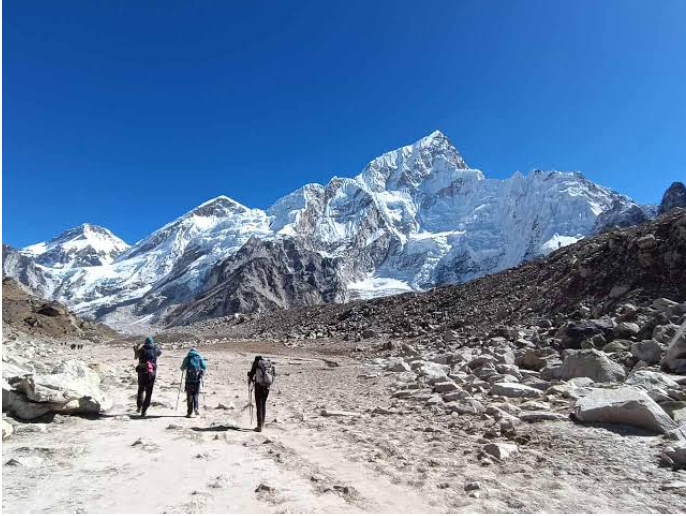
The Everest Base Camp Trek is one of the most famous trekking adventures in the world. Every year, trekkers travel to Nepal’s Khumbu region to experience breathtaking Himalayan scenery, traditional Sherpa villages, ancient monasteries, and unforgettable views of Mount Everest.
One of the most common questions travelers ask before booking this adventure is: How difficult is the Everest Base Camp Trek?
The trek is generally considered moderate to challenging. It does not require technical mountaineering skills, but the high altitude, long walking days, steep sections, and changing weather can make the journey physically demanding. With proper preparation, a suitable itinerary, and good acclimatization, many reasonably fit travelers can complete the trek successfully.
Understanding Everest Base Camp Trek Difficulty
The Everest Base Camp Trek Difficulty comes mainly from altitude rather than technical climbing. Most of the route consists of established mountain trails, but trekkers need to walk for several hours each day while gradually gaining elevation.
The highest point of the standard trek is Kala Patthar, which is higher than Everest Base Camp itself. At these elevations, the air contains considerably less oxygen than at sea level, making even ordinary walking feel more strenuous.
The difficulty can vary from person to person depending on fitness, trekking experience, acclimatization, weather, and how well the body responds to altitude.
How Physically Demanding Is the Trek?
Most trekking days involve approximately 5 to 8 hours of walking, although the exact duration depends on the route and itinerary.
You can expect:
- Long walking days
- Steep uphill sections
- Rocky and uneven trails
- Frequent ascents and descents
- High-altitude terrain
- Cold temperatures at higher elevations
- Limited facilities in remote areas
The trek does not require you to walk quickly. A slow, consistent pace is usually more suitable, especially as you climb higher.
Altitude: The Biggest Challenge
Altitude is arguably the most important factor affecting Everest Base Camp Trek Difficulty.
As you climb higher, the available oxygen decreases. Your body needs time to adapt to these conditions, which is why a well-planned itinerary includes acclimatization days.
Namche Bazaar and Dingboche are commonly used as acclimatization stops. During these days, trekkers can take shorter hikes and return to sleep at the same elevation.
Altitude-related symptoms can include headaches, dizziness, nausea, tiredness, and shortness of breath. It is important not to ignore worsening symptoms. If someone develops serious symptoms, descending to a lower elevation and obtaining appropriate medical assistance is essential.
Trail Conditions
The trail to Everest Base Camp changes considerably throughout the journey.
Lower sections can include forest paths, stone steps, suspension bridges, and relatively comfortable walking trails. Higher sections become more barren and rocky, with uneven surfaces and exposed terrain.
The route around the Khumbu Glacier can be particularly demanding because of rocky terrain and elevation.
Good trekking boots with reliable grip can make a significant difference when dealing with uneven surfaces.
Weather and Temperature
Weather is another factor that influences the difficulty of the Everest Base Camp Trek.
Conditions can change quickly in the mountains. Lower elevations may feel relatively comfortable during the day, while temperatures at higher elevations can become very cold, particularly during early mornings and nighttime.
Snow, wind, rain, or cloud cover can also make sections of the route more challenging.
Choosing an appropriate trekking season and carrying suitable layers can help you handle changing conditions.
How Fit Do You Need to Be?
You do not need to be an experienced mountaineer or professional athlete to complete the Everest Base Camp Trek.
However, a reasonable level of cardiovascular and muscular fitness is highly recommended.
A few months before the trek, you can prepare by:
- Going on regular long walks
- Hiking on hills or stairs
- Performing cardiovascular exercises
- Strengthening your legs and core
- Practicing with a light backpack
- Gradually increasing the length of your hikes
If possible, include longer hikes on consecutive days. This helps your body become accustomed to walking when tired.
Can Beginners Complete the Everest Base Camp Trek?
Yes. Beginners can complete the trek if they are physically prepared and follow a sensible itinerary.
Previous high-altitude trekking experience is helpful but not essential. Many first-time Himalayan trekkers successfully reach Base Camp by maintaining a steady pace and allowing enough time for acclimatization.
The key is not speed or athletic ability. Patience, preparation, and listening to your body are much more important.
The Role of Acclimatization
Acclimatization is one of the most important elements of a successful Everest Base Camp Trek.
A well-designed itinerary should not simply focus on reaching Base Camp as quickly as possible. It should provide adequate time for your body to adjust to increasing elevation.
A typical itinerary includes rest or acclimatization days around Namche Bazaar and Dingboche. Short hikes during these days can help you stay active while giving your body additional time to adapt.
Best Time to Reduce Trekking Challenges
Spring and autumn are generally considered the most popular seasons for the Everest Base Camp Trek.
Spring, particularly from March to May, can offer favorable trekking conditions and beautiful scenery.
Autumn, generally from September to November, is also popular because the skies are often clearer after the monsoon period.
Winter can be much colder, while the monsoon season can bring rain, clouds, and potentially difficult trail conditions. However, experienced trekkers may choose less popular seasons depending on their preferences and preparation.
What Equipment Can Make the Trek Easier?
The right equipment can make a significant difference to comfort during the trek.
Important items include:
- Well-fitting trekking boots
- Warm and breathable layers
- Waterproof jacket and trousers
- Insulated jacket
- Warm gloves and hat
- Trekking poles
- Sleeping bag suitable for cold conditions
- Sunglasses and sunscreen
- Water bottle or hydration system
- Headlamp
- First-aid supplies
- Personal medications
- Comfortable backpack
Good equipment does not eliminate the difficulty of the trek, but it can make challenging conditions much easier to manage.
Guide and Porter Support
Hiring an experienced guide can be especially useful for first-time trekkers. A guide can help with navigation, daily pacing, local logistics, and recognizing potential altitude-related concerns.
A porter can carry your main luggage, allowing you to hike with a lighter daypack.
For many trekkers, professional support makes the overall experience more comfortable and organized.
How to Make the Everest Base Camp Trek Easier
There are several ways to manage the Everest Base Camp Trek Difficulty more effectively:
- Train before your trip: Build your endurance through regular walking and hiking.
- Choose a sensible itinerary: Avoid unnecessarily short itineraries.
- Acclimatize properly: Give your body enough time to adapt to altitude.
- Walk at a steady pace: Do not try to compete with faster trekkers.
- Stay hydrated: Drink regularly throughout the day.
- Pack intelligently: Carry essential equipment without unnecessary weight.
- Eat properly: Maintain your energy with regular, nutritious meals.
- Listen to your body: Do not ignore persistent or worsening symptoms.
- Keep your schedule flexible: Weather can affect transportation and trekking plans.
- Use experienced support: A knowledgeable guide can provide valuable assistance throughout the journey.
Key Points to Remember
Before starting your Everest Base Camp Trek, remember:
- The trek is generally moderate to challenging.
- Altitude is usually a bigger challenge than technical climbing.
- Previous mountaineering experience is not required.
- Physical preparation can significantly improve your experience.
- Acclimatization should be a major priority.
- Weather conditions can change quickly.
- Good footwear and appropriate clothing are essential.
- A slow and consistent pace is better than rushing.
- Beginners can complete the trek with proper preparation.
- Always take serious altitude-related symptoms seriously.
Conclusion
The Everest Base Camp Trek is challenging, but it is achievable for many travelers who prepare properly. The main difficulty comes from high altitude, long walking days, uneven terrain, and unpredictable mountain weather rather than technical climbing.
Understanding the Everest Base Camp Trek Difficulty before your journey allows you to prepare both physically and mentally. Regular hiking, appropriate equipment, adequate acclimatization, proper hydration, and a carefully planned itinerary can make a significant difference.
Ultimately, reaching Everest Base Camp is not about being the fastest or strongest trekker. It is about taking the journey one step at a time, respecting the mountains, and giving your body enough time to adapt. With the right preparation and mindset, the experience can be challenging, rewarding, and truly unforgettable.