
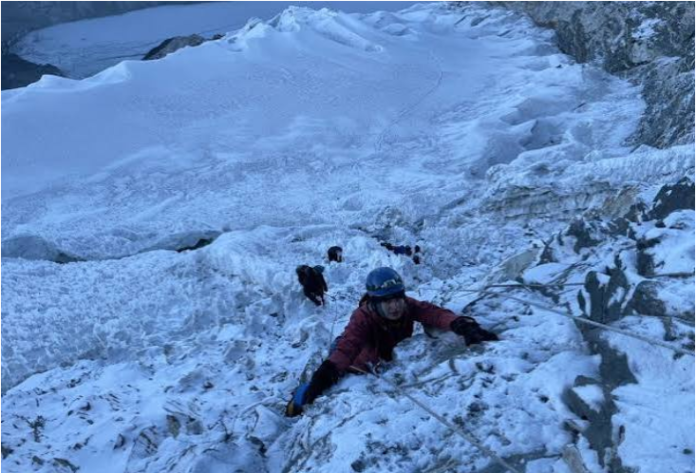
Nepal offers an extraordinary range of trekking and climbing experiences, from peaceful Himalayan valleys to demanding high-altitude summits. For adventure travelers who want to go beyond ordinary trekking, Mera and Island Peak Climbing and Everest Base Camp with Island Peak provide exciting opportunities to combine trekking with Himalayan mountaineering.
Both experiences take travelers into the spectacular Everest region and involve high-altitude trekking, acclimatization, and climbing preparation. However, they are designed around different goals. Climbing both Mera and Island Peak is a longer and more ambitious mountaineering adventure, while the Everest Base Camp with Island Peak journey combines the iconic Everest Base Camp experience with the challenge of climbing Island Peak.
Mera and Island Peak Climbing: A Complete Himalayan Climbing Experience
Mera and Island Peak Climbing is an ambitious adventure for trekkers and aspiring mountaineers who want to experience two of Nepal’s well-known trekking peaks. Mera Peak, at approximately 6,476 meters, is located in the remote Hinku Valley, while Island Peak, also known as Imja Tse, reaches approximately 6,189 meters in the Everest region.
Mera Peak is generally approached through quieter mountain landscapes, with trails passing through forests, alpine valleys, and traditional settlements. Its greater elevation makes altitude and endurance important parts of the challenge.
After completing Mera Peak, the journey toward Island Peak provides a different mountaineering environment. Island Peak is known for its more technical sections, where climbers may need to use equipment such as crampons, an ice axe, ropes, and a harness depending on route conditions.
Climbing both peaks gives adventurers the opportunity to experience different aspects of Himalayan mountaineering. The journey demands patience, physical fitness, careful acclimatization, and good teamwork.
Key Points of Mera and Island Peak Climbing
- Mera Peak height: Approximately 6,476 meters
- Island Peak height: Approximately 6,189 meters
- Region: Eastern Nepal and the Everest region
- Difficulty: Challenging
- Main attraction: Two Himalayan trekking peaks in one adventure
- Terrain: Forests, alpine valleys, glaciers, rocky terrain, and high mountain landscapes
- Skills: Basic mountaineering and glacier-travel skills are important
- Best suited for: Experienced trekkers and aspiring mountaineers
- Important factors: Fitness, acclimatization, weather, equipment, and experienced guidance
Everest Base Camp with Island Peak: Trekking and Climbing Combined
For travelers who want to experience the legendary Everest Base Camp trail while also attempting a Himalayan summit, Everest Base Camp with Island Peak is an excellent choice.
The adventure follows the classic route through the Khumbu Valley. Trekkers pass through famous Sherpa communities, including Namche Bazaar, before continuing toward the higher valleys. Along the way, the trail provides magnificent views of Everest, Lhotse, Ama Dablam, Nuptse, and other Himalayan peaks.
Reaching Everest Base Camp is an important milestone, but the journey does not end there. After experiencing the atmosphere of the Everest Base Camp area, climbers prepare for the ascent of Island Peak.
Island Peak rises to approximately 6,189 meters and offers a genuine introduction to Himalayan climbing. The ascent can involve technical terrain and glacier travel, making proper preparation particularly important.
The combination of Everest Base Camp and Island Peak allows travelers to experience both the cultural and trekking highlights of the Khumbu region and the excitement of standing on a Himalayan summit.
Key Points of Everest Base Camp with Island Peak
- Location: Khumbu Valley, Everest region of Nepal
- Main attractions: Everest Base Camp and Island Peak
- Island Peak height: Approximately 6,189 meters
- Difficulty: Challenging
- Duration: Usually around 18–22 days, depending on the itinerary
- Highlights: Sherpa villages, Buddhist monasteries, Everest views, Base Camp, and Island Peak summit
- Skills: Basic mountaineering skills and appropriate climbing equipment
- Best suited for: Experienced trekkers and adventure travelers seeking a combined trekking and climbing experience
Comparing the Two Adventures
Although both adventures involve Island Peak, their overall experiences are different.
Mera and Island Peak Climbing is better suited to travelers who want a broader mountaineering challenge and are interested in climbing two Himalayan trekking peaks. The journey involves more climbing objectives and requires greater endurance over a longer period.
Everest Base Camp with Island Peak, meanwhile, places greater emphasis on the famous Everest trekking experience. Travelers get to explore the Khumbu Valley, reach Everest Base Camp, and then take on the challenge of Island Peak.
For someone visiting the Everest region for the first time, the second option can provide a particularly rewarding combination of iconic trekking and climbing. For an experienced adventurer looking for multiple summit objectives, climbing both Mera and Island Peak can offer a more demanding experience.
Best Time for These Adventures
Spring and autumn are generally regarded as the most favorable seasons for trekking and climbing in Nepal. During these periods, weather conditions are often more suitable for high-altitude travel, and mountain visibility can be excellent.
Spring brings warmer conditions and beautiful landscapes, while autumn usually offers clear skies following the monsoon season. Winter can bring severe cold and snow at higher elevations, while monsoon weather can make trails wet and reduce mountain visibility.
Because mountain conditions can change rapidly, climbers should always follow the advice of experienced guides and check conditions before and during the expedition.
Physical Preparation and Acclimatization
High-altitude climbing requires more preparation than a standard trekking holiday. Climbers should develop good cardiovascular fitness, leg strength, endurance, and the ability to walk for several hours on consecutive days.
Acclimatization is equally important. The body needs time to adjust as the trail gains elevation, so a well-planned itinerary should include appropriate rest and acclimatization periods.
Climbers should also become familiar with essential mountaineering equipment. Depending on the route and conditions, this may include crampons, an ice axe, climbing harness, ropes, helmet, and suitable high-altitude clothing.
The Experience Beyond the Summit
The real value of these journeys extends beyond reaching the top of a mountain. The trails provide opportunities to experience Sherpa culture, visit Buddhist monasteries, walk through traditional villages, and witness some of the world’s most spectacular mountain scenery.
The challenges of high altitude also make these expeditions deeply rewarding. Every stage requires preparation, patience, and teamwork, creating memories that often remain long after the journey ends.
Responsible Trekking and Climbing
The Himalayan environment is delicate, and responsible travel is essential. Climbers should minimize waste, avoid damaging vegetation, use established trails, and leave mountain camps clean.
Respecting local culture is equally important. Visitors should follow appropriate customs when entering monasteries and religious sites and should always treat local communities, guides, porters, and climbing staff with respect.
Supporting local services also helps mountain communities benefit from tourism while preserving the cultural character of the region.
Conclusion
Mera and Island Peak Climbing and Everest Base Camp with Island Peak are both remarkable Himalayan adventures, but each offers a different experience. The Mera and Island Peak combination is a more ambitious option for those seeking two climbing objectives, while Everest Base Camp with Island Peak combines one of Nepal’s most famous trekking journeys with the excitement of a high-altitude summit.
Whichever adventure a traveler chooses, success depends on proper preparation, gradual acclimatization, suitable equipment, experienced support, and respect for the mountain environment. For those ready to challenge themselves in the Himalayas, these journeys offer much more than a summit—they provide an unforgettable experience of Nepal’s mountains, culture, and spirit of adventure.