
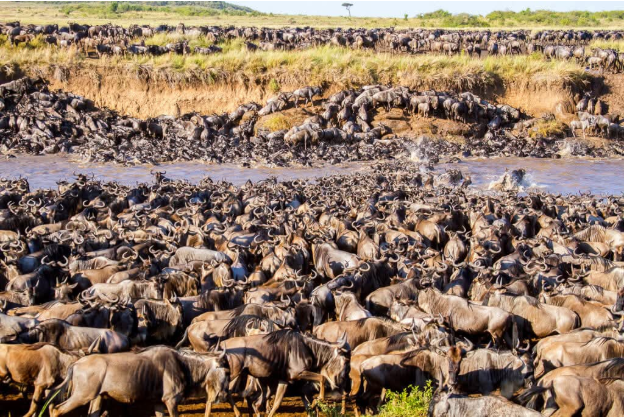
Tanzania safari prices sit at the top of most travelers’ bucket lists — and for good reason. Home to the legendary Serengeti National Park, the awe-inspiring Ngorongoro Crater, and the thundering spectacle of the Great Wildebeest Migration, this East African nation delivers safari experiences that are genuinely unmatched anywhere on the planet. But before you pack your binoculars and wide-brimmed hat, there is one conversation every aspiring traveler must have: how much does a Tanzania safari actually cost?
The answer is not straightforward. Safari pricing in Tanzania is shaped by a web of interconnected factors — accommodation tier, travel season, park selection, group size, and the level of exclusivity you desire. Prices can range from as low as $200 per person per day on the budget end to well over $1,500 per person per day for ultra-luxury experiences. Understanding where that money goes is the key to making a well-informed decision — and to avoiding the hidden costs that catch many first-time safari travelers off guard.
This guide breaks down every major cost component, explains how seasonal timing can save or cost you thousands, and offers practical strategies to maximize the value of your Tanzania safari.
The Three Safari Tiers: Budget, Mid-Range, and Luxury
Tanzania’s safari market is broadly divided into three categories, each offering a distinctly different experience at a different price point.
Budget Safaris ($200–$350 per person per day) are designed for travelers who want to witness Tanzania’s wildlife without depleting their savings. At this tier, expect shared 4×4 vehicles carrying five to seven passengers, basic camping accommodations or budget lodges situated outside or on the edge of national parks, and simple but filling meals. The wildlife viewing itself remains spectacular — Tanzania’s parks deliver regardless of budget — but flexibility, comfort, and personalized attention are limited. This option suits solo backpackers and budget-conscious group travelers who prioritize the safari experience over five-star amenities.
Mid-Range Safaris ($350–$600 per person per day) represent the sweet spot for the majority of safari travelers. This tier typically includes private or small-group 4×4 vehicles, comfortable lodge or tented camp accommodations with en-suite bathrooms, quality full-board meals, and professionally trained guides who genuinely enhance your understanding of the ecosystem around you. Mid-range safaris offer the flexibility to adjust itineraries based on wildlife sightings and provide accommodations located inside or immediately adjacent to the parks. For most couples, families, and first-time safari visitors, this is where the best balance of cost and experience is found.
Luxury Safaris ($700–$1,500+ per person per day) cater to travelers seeking an exclusive, curated experience. Premium lodges and private tented camps, fly-in transfers between destinations, dedicated personal guides, gourmet dining, and access to remote or restricted wildlife zones define this category. Many luxury packages are all-inclusive, covering meals, beverages, laundry, and even optional activities such as hot air balloon rides over the Serengeti. Pricing at this tier fluctuates dramatically with season — peak-season rates can be double or even triple what operators charge during the low season.
Where Your Money Actually Goes: A Cost Breakdown
Understanding the anatomy of a safari quote removes the mystery and empowers better decision-making. Here is how a typical Tanzania safari budget is allocated.
National Park Entry Fees are one of the most significant and non-negotiable expenses. Set by the Tanzania National Parks Authority (TANAPA), these fees apply equally to every visitor. Serengeti National Park charges $70 plus 18% VAT, totaling approximately $82.60 per adult per day. Ngorongoro Crater fees come in at $60 plus VAT, roughly $70.80 per person, with an additional crater service fee of $295 per vehicle. Parks like Tarangire and Lake Manyara are priced lower at $50 plus VAT, equaling about $59 per person per day. Altogether, park fees can account for 20 to 30 percent of your total safari cost — a substantial portion that remains constant regardless of the luxury level you choose.
Accommodation is the single largest variable in safari pricing and the primary reason costs differ so dramatically between tiers. Budget options start at roughly $20 to $60 per person per night, while mid-range lodges and tented camps typically fall between $100 and $350 per person. Luxury and premium properties can charge anywhere from $500 to several thousand dollars per person per night. It is worth noting that most Tanzania safari accommodations price on a per-person basis rather than per room, which is an important distinction when budgeting for couples or families.
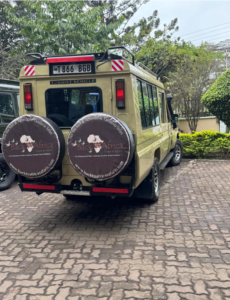
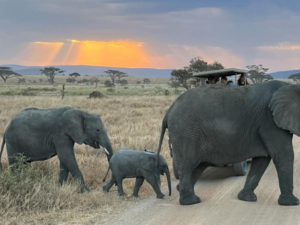 Transportation covers the 4×4 safari vehicle, fuel, driver costs, and — if applicable — internal flights between destinations. Scheduled propeller flights between safari locations average around $300 per adult per one-way trip and can significantly reduce travel time across Tanzania’s vast landscapes. Private charter flights, while rare, can cost $2,000 to $11,000 per billable hour.
Guides and Safari Crew fees are built into most package prices but are worth understanding. Professional guide fees typically range from $15 to $20 per day, and additional staff such as lodge personnel receive $5 to $10 collectively. Tipping is culturally expected and not included in most quoted prices.
Meals and Beverages are generally included in mid-range and luxury packages as full-board offerings. Budget safaris may include simple meals or require travelers to supplement with their own provisions.
The Impact of Season on Price
Timing your trip is one of the most powerful tools available for controlling your Tanzania safari budget. The country’s calendar is divided into three pricing periods.
The high season runs from June through October and again from December through February. These months coincide with the peak of the Great Migration and offer the driest, most comfortable weather for game viewing. Demand surges during this window, and operators price accordingly. Expect premium rates across all tiers, and book well in advance — sometimes six to twelve months ahead — to secure availability at desirable properties.
 The low season spans March through May, characterized by heavier rainfall and lush green landscapes. Wildlife can actually be easier to spot against the verdant backdrop, and prices drop significantly. Some luxury lodges offer rates that are literally half of their peak-season pricing. For budget-conscious travelers willing to embrace a little rain, this period offers exceptional value.
The shoulder season, particularly November, strikes a balance between affordability and favorable conditions. Rainfall is moderate, crowds are thinner, and prices have begun to retreat from their summer highs — making it an increasingly popular choice among informed travelers.
Key Takeaways
- Tanzania safari prices typically range from $200 to $1,500+ per person per day, depending on the tier of experience selected.
- Mid-range safaris, priced at $350–$600 per day, deliver the strongest balance of comfort, wildlife access, and value for most travelers.
- National park entry fees are fixed, non-negotiable, and can represent 20–30% of your total safari cost.
- Accommodation is the single biggest cost variable; choosing your lodging tier effectively sets the ceiling for your entire budget.
- Traveling during the low season (March–May) or shoulder season (November) can reduce costs by 30–50%, particularly at luxury properties.
- Always request itemized quotes from operators — vague pricing often conceals hidden surcharges for fuel, tips, optional activities, and taxes.
- A 7-day mid-range safari in Tanzania typically costs between $2,500 and $3,500 per person, excluding international flights and visa fees.
Frequently Asked Questions
Q: What is typically included in a Tanzania safari package? A: Most packages include accommodation, full-board meals, a 4×4 vehicle with a professional guide, and national park entry fees. International flights, visa fees ($50–$100), travel insurance, tips, alcoholic beverages, and optional activities like balloon rides are usually excluded.
Q: Can I mix budget and luxury accommodations on the same trip? A: Absolutely. Many travelers opt for a hybrid approach — spending a night or two in a luxury lodge for a special experience while keeping the remainder of the trip at a mid-range level. This strategy allows you to enjoy premium moments without inflating your entire budget.
Q: How far in advance should I book? A: For high-season travel (June–October), booking six to twelve months in advance is strongly recommended, especially if you have specific lodge or date preferences. Low-season and shoulder-season trips offer more flexibility, though earlier bookings still tend to secure better rates.
Q: Are local operators cheaper than international tour companies? A: Yes, in most cases. Locally owned and licensed operators in Tanzania typically offer comparable or identical experiences at lower price points, and they reinvest more directly into the local economy. The key is to verify licensing and read recent traveler reviews before committing.
Q: Is a Tanzania safari worth the cost? A: For most travelers who visit, the answer is an unequivocal yes. The combination of world-class wildlife, stunning landscapes, and rich cultural experiences creates memories that are difficult to replicate anywhere else on Earth. With careful planning and smart seasonal timing, the experience can be made accessible at a wide range of price points.
Conclusion
Planning a Tanzania safari prices is ultimately an exercise in informed decision-making. The price you pay is not arbitrary — it is a direct reflection of the choices you make around accommodation, timing, transportation, and the level of exclusivity you seek. By understanding the cost structure from the ground up, you can move beyond sticker shock and into confident, strategic planning.
The most important takeaway is this: Tanzania delivers an extraordinary safari experience at every budget level. Whether you choose a shared-vehicle camping trip at $250 a day or a fly-in luxury retreat at $1,200 a day, the wildlife, the landscapes, and the sheer scale of the experience remain the same. What changes is the comfort and convenience wrapped around it.
Start with a clear budget, choose your season wisely, request detailed itemized quotes from reputable operators, and allow yourself the flexibility to adapt. Do that, and your Tanzania safari will not only meet expectations — it will exceed them in ways you never anticipated.