
Morocco is one of the most fascinating travel destinations in North Africa, offering a unique combination of beautiful landscapes, historic cities, traditional markets, and rich cultural heritage. From the colorful streets of Marrakech to the peaceful blue alleys of Chefchaouen and the golden dunes of the Sahara Desert, Morocco has something special for every traveler.
Whether you are interested in exploring ancient architecture, enjoying traditional Moroccan cuisine, discovering local markets, or experiencing desert adventures, this Morocco Travel Guide will help you plan an unforgettable trip.
In this guide, you will discover the best places to visit, traditional foods to try, popular activities, and useful travel tips for exploring Morocco.
1. Best Places to Visit in Morocco
Morocco is home to several incredible destinations, each offering a different travel experience. Here are some of the most popular places to include in your itinerary.
Marrakech
Marrakech is one of Morocco’s most famous tourist destinations. Known as the Red City, it is famous for its traditional architecture, colorful souks, historic palaces, and lively atmosphere.
Some popular attractions include:
- Jemaa el-Fnaa Square
- Bahia Palace
- Koutoubia Mosque
- Majorelle Garden
- Marrakech Medina
Visitors can explore traditional markets, enjoy Moroccan street food, and discover the city’s fascinating cultural heritage.
Fes
Fes is known for its historic Medina, traditional craftsmanship, and beautiful Islamic architecture. It is an excellent destination for travelers interested in Moroccan history and culture.
The old Medina of Fes is particularly famous for its narrow streets, traditional markets, historic mosques, and artisan workshops.
Chefchaouen
Chefchaouen is one of Morocco’s most picturesque destinations. Often called the Blue City, it is famous for its beautiful blue-painted buildings and peaceful mountain surroundings.
Travelers enjoy walking through its charming streets, visiting local shops, taking photographs, and experiencing the relaxed atmosphere.
Casablanca
Casablanca is Morocco’s largest city and an important economic and cultural center. It combines modern architecture with traditional Moroccan influences.
One of its most famous attractions is the Hassan II Mosque, which features impressive architecture and a beautiful seaside location.
Sahara Desert
A visit to Morocco is not complete without experiencing the Sahara Desert. Travelers can enjoy camel rides, overnight desert camps, breathtaking sunsets, and incredible views of the sand dunes.
Merzouga is one of the most popular starting points for Sahara Desert adventures.
2. Best Time to Visit Morocco
Choosing the right season can make your Moroccan holiday more enjoyable.
Spring (March to May): Spring is one of the best times to explore Morocco. Temperatures are generally pleasant, making it ideal for sightseeing, city tours, and outdoor activities.
Summer (June to August): Summer can be extremely hot, especially in Marrakech and desert regions. Coastal destinations such as Essaouira can offer more comfortable temperatures.
Autumn (September to November): Autumn is another excellent season for visiting Morocco. The weather is generally comfortable for exploring historic cities and enjoying outdoor adventures.
Winter (December to February): Winter brings cooler temperatures, especially in the mountains and desert at night. However, many cities remain enjoyable to explore during the daytime.
3. Traditional Moroccan Food You Must Try
Moroccan cuisine is famous for its aromatic spices, fresh ingredients, and traditional cooking methods. Food lovers will find plenty of delicious dishes throughout the country.
Some popular Moroccan foods include:
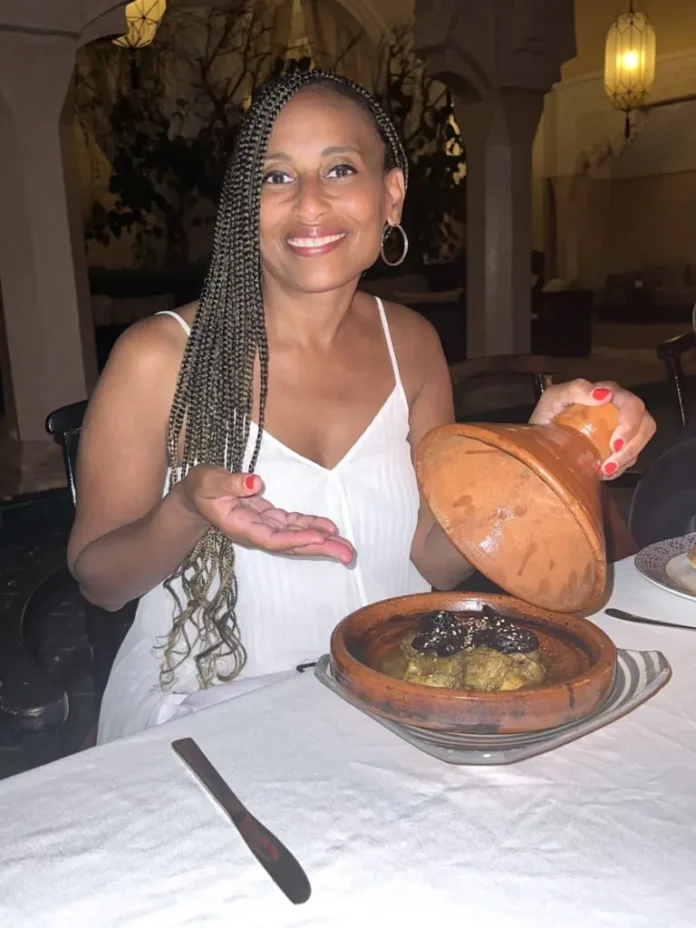
- Tagine:A slow-cooked traditional dish prepared with vegetables, chicken, lamb, or beef.
- Couscous:A classic Moroccan meal made with steamed semolina and served with vegetables and meat.
- Harira:A traditional soup prepared with tomatoes, lentils, chickpeas, and herbs.
- Pastilla:A delicious pastry combining sweet and savory flavors.
- Msemen:A traditional layered flatbread often served with honey or butter.
- Moroccan Mint Tea:A refreshing traditional drink associated with Moroccan hospitality.
Exploring local restaurants and traditional food markets is one of the best ways to experience authentic Moroccan cuisine.
4. Top Things to Do in Morocco
Morocco offers a wide range of activities for different types of travelers. Whether you enjoy cultural exploration or outdoor adventures, there is plenty to discover.
Explore Traditional Souks
Moroccan souks are colorful traditional markets filled with handmade crafts, leather products, textiles, spices, pottery, and souvenirs.
Marrakech and Fes are particularly famous for their traditional marketplaces.
Experience a Sahara Desert Tour
A Sahara Desert excursion is one of the most memorable experiences in Morocco. Visitors can enjoy camel trekking, desert camping, traditional music, and beautiful starry skies.
Discover Moroccan Architecture
Morocco has a rich architectural heritage featuring beautiful mosques, palaces, gardens, and historic buildings.
Visiting traditional riads and historic Medinas provides insight into the country’s artistic and cultural traditions.
Enjoy a Moroccan Food Tour
Food tours are an excellent way to discover traditional Moroccan dishes and local culinary traditions.
Visitors can explore street food stalls, taste regional specialties, and learn about traditional ingredients and cooking techniques.
Visit Traditional Hammams
A Moroccan hammam is a traditional bathing experience that offers visitors an opportunity to discover an important part of local wellness and bathing culture.
Many cities have traditional public hammams as well as modern spa facilities.
5. Moroccan Culture and Traditions
Morocco has a rich cultural identity influenced by Arab, Amazigh (Berber), African, and Mediterranean traditions.
Hospitality is an important part of Moroccan culture. Visitors are often welcomed with traditional mint tea, and sharing meals is an important social custom.
Some cultural experiences worth discovering include:
- Enjoying traditional Moroccan music and dance.
- Exploring local handicraft markets.
- Learning about traditional clothing and textiles.
- Visiting historic mosques and architectural landmarks.
- Experiencing local festivals and cultural celebrations.
Understanding local customs and respecting religious and cultural traditions can make your visit more enjoyable.
6. Transportation and Getting Around Morocco
Morocco offers several transportation options for tourists.
- Trains:The national railway network connects major destinations, including Casablanca, Rabat, Fes, Tangier, and Marrakech.
- Buses:Intercity buses are useful for reaching destinations that are not directly connected by train.
- Taxis:Small taxis are commonly used for transportation within cities, while larger shared taxis may travel between towns.
- Car Rentals:Renting a car provides flexibility for exploring mountain villages, coastal destinations, and remote areas.
- Guided Tours:Organized excursions are convenient for visiting the Sahara Desert and other destinations that require longer journeys.
For longer trips, planning transportation in advance can help save time and make your journey more comfortable.
7. Where to Stay in Morocco
Morocco offers accommodation options for different budgets and travel preferences.
Traditional Riads: Riads are traditional Moroccan houses built around an interior courtyard. They often feature beautiful tilework, fountains, and rooftop terraces.
Luxury Hotels: Major cities such as Marrakech and Casablanca offer luxury hotels with modern facilities and excellent services.
Budget Guesthouses: Affordable guesthouses and hostels are available for travelers looking to explore Morocco on a limited budget.
Desert Camps: Travelers visiting the Sahara can enjoy overnight stays in desert camps, ranging from simple traditional tents to luxury accommodations.
Choosing accommodation close to major attractions can make sightseeing easier.
8. Essential Travel Tips for Visiting Morocco
Before traveling to Morocco, consider these practical tips:
- Carry some Moroccan dirhams for local markets and smaller purchases.
- Dress respectfully, particularly when visiting religious and traditional areas.
- Learn a few basic Arabic or French phrases.
- Check transportation schedules before traveling between cities.
- Agree on taxi fares when required before starting your journey.
- Keep your personal belongings secure in crowded tourist areas.
- Drink bottled or properly treated water.
- Check current visa and entry requirements for your nationality before departure.
- Consider travel insurance for additional peace of mind.
A little preparation can help make your Moroccan holiday smoother and more enjoyable.
9. Suggested 7-Day Morocco Travel Itinerary
If you have one week to explore Morocco, you can experience several of its most famous destinations with a carefully planned itinerary.
Day 1: Arrive in Marrakech
Explore Jemaa el-Fnaa, visit the traditional souks, and enjoy authentic Moroccan cuisine.
Day 2: Discover Marrakech
Visit Bahia Palace, Koutoubia Mosque, and Majorelle Garden.
Day 3: Travel to Ait Ben Haddou and Ouarzazate
Explore the famous historic ksar of Ait Ben Haddou and discover the beautiful landscapes of southern Morocco.
Day 4: Travel Toward Merzouga
Enjoy the scenic journey through the mountains and desert landscapes toward the Sahara.
Day 5: Experience the Sahara Desert
Enjoy a camel ride, explore the dunes, and spend the night at a desert camp.
Day 6: Travel Toward Fes
Continue your journey toward Fes, enjoying the changing landscapes along the way.
Day 7: Explore Fes
Discover the historic Medina, traditional markets, and fascinating architecture before departing.
This itinerary involves several long travel days, so travelers with additional time may prefer a more relaxed schedule.
Final Thoughts
Morocco is a remarkable destination that combines natural beauty, fascinating history, traditional culture, and unforgettable culinary experiences. From exploring the historic streets of Marrakech and Fes to enjoying the peaceful blue alleys of Chefchaouen and discovering the Sahara Desert, every destination offers something unique.
This Morocco Travel Guide provides a helpful starting point for planning your journey, discovering popular attractions, and experiencing authentic Moroccan traditions.
Whether you are planning a short holiday or an extended adventure, Morocco promises beautiful memories, welcoming hospitality, and experiences that will stay with you long after your trip.