
A Tanzania safari is the kind of trip people talk about for the rest of their lives. Think of endless golden plains where more than a million wildebeest thunder across the horizon, a volcanic crater packed with lions and rhinos, and ancient baobab trees sheltering herds of elephants. Tanzania protects roughly a quarter of its land as national parks, game reserves, and conservation areas. That commitment gives travelers some of the most varied and authentic wildlife viewing anywhere on Earth.
This guide covers where to go, when to travel, how much to budget, and how to choose the right style of safari, so you can plan with confidence.
Why Choose Tanzania for Your Safari?
Several things set Tanzania apart from other African safari destinations.
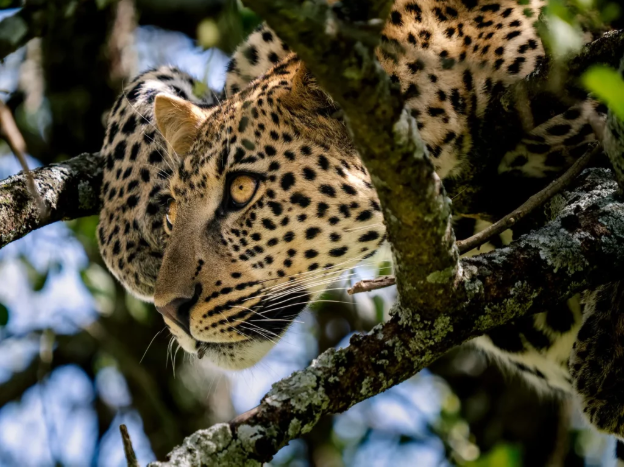
World-famous wildlife. All of the Big Five (lion, leopard, elephant, buffalo, and rhino) live here, alongside cheetahs, giraffes, hippos, hyenas, and hundreds of bird species.
The Great Migration. The Serengeti ecosystem hosts the largest overland migration of mammals on the planet. It is a year-round cycle, not a single event.
Space and solitude. Many parks are vast, and some southern and western reserves see only a fraction of the visitors found in the famous northern circuit.
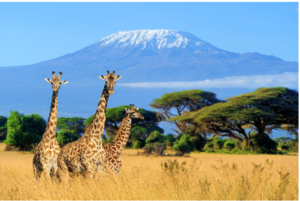
Variety beyond wildlife. You can combine a safari with a Kilimanjaro climb, a Maasai cultural visit, chimpanzee trekking, or a beach stay on Zanzibar.
The Best National Parks and Reserves
Serengeti National Park
The Serengeti is the crown jewel of any Tanzania safari. Its name comes from a Maasai word meaning “endless plains,” and the description fits. The park covers about 14,750 square kilometers and offers excellent predator viewing all year. Lions rest on rocky outcrops called kopjes, cheetahs scan the open grassland, and leopards drape themselves over sausage-tree branches along the rivers.
Ngorongoro Crater
This collapsed volcanic caldera is among the world’s largest unbroken calderas, and its floor covers around 260 square kilometers. Because the crater walls act as a natural enclosure, wildlife density is remarkable. It is also one of the best places in East Africa to see the endangered black rhino. Plan for a half-day descent, and go early to beat the crowds.
Tarangire National Park
Tarangire is famous for its huge elephant herds and ancient baobabs. During the dry season, animals gather along the Tarangire River, creating superb viewing in a compact area. It is a rewarding stop on almost any northern itinerary.
Lake Manyara National Park
Smaller and greener than its neighbors, Lake Manyara offers a different landscape of groundwater forest, an alkaline lake, and flocks of flamingos in the right season. It suits travelers who want variety and birdwatching.
Nyerere National Park (formerly Selous)
Tanzania’s largest protected area in the south is a wilderness where you can explore by boat and on foot as well as by vehicle. Its river system supports hippos, crocodiles, and large numbers of wild dogs, and it feels far removed from the busier northern circuit.
Ruaha National Park
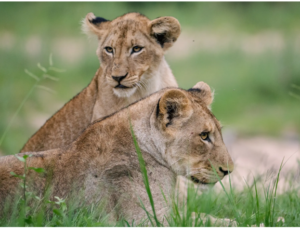
Ruaha is rugged, remote, and rich in predators. It is known for large lion prides, and kudu and sable antelope can be seen here more easily than in the north. It is a favorite for returning safari-goers who want something wilder.
Mahale and Gombe
For primate lovers, the western parks on Lake Tanganyika offer chimpanzee trekking in forested mountains. These are specialist add-ons that take extra time and budget to reach.
The Great Migration: Understanding the Calendar
The migration follows the rains and fresh grass, so where the herds are depends on the month. Treat the timing below as a general pattern, because weather varies from year to year.
- January to March: Herds gather on the southern Serengeti and Ndutu plains. This is calving season, with tens of thousands of calves born within a few weeks. Predators are very active.
- April to May: The herds begin moving north and west through the central and western Serengeti, often during the long rains. Lodges are quieter and prices are lower.
- June to July: The animals approach the Grumeti River, where crocodiles wait at crossing points.
- July to October: The herds reach the northern Serengeti and the Mara River. The dramatic river crossings that appear in documentaries happen here, and this is peak season.
- November to December: The herds drift south again as the short rains arrive.
If you want river crossings, book the northern Serengeti between late July and September. If you want newborn animals and predator action, aim for February.
Best Time to Visit Tanzania
Tanzania is a year-round destination, but each season offers something different.
Dry season (June to October). Vegetation thins out, animals cluster around water, and roads are easy to travel. This is the classic time for a safari and also the busiest and most expensive.
Short rains (November to December). Brief afternoon showers bring green landscapes, migratory birds, and fewer visitors.
Calving season (January to March). Warm weather and excellent wildlife action in the southern Serengeti make this a favorite for photographers.
Long rains (April to May). Heavy rain can make some roads difficult and a few camps close, but rates drop sharply and the scenery is lush.
Types of Tanzania Safari
Budget camping safaris. These use shared vehicles and basic tented camps. They are affordable and sociable, but you trade comfort for price.
Mid-range lodge safaris. Comfortable lodges or permanent tented camps, private vehicles, and good guides make this the most popular choice.
Luxury safaris. Boutique camps, private guides, fly-in transfers, and exclusive locations deliver a refined experience, often with prime positioning near the migration.
Walking and fly-camping safaris. In the southern and western parks, you can explore on foot with an armed ranger, which brings a different intensity to every sighting.
Family safaris. Many camps now offer child-friendly programs, though age limits apply at some properties, so check before booking.
What Does a Tanzania Safari Cost?
Prices vary widely depending on season, accommodation level, group size, and length of stay. Park fees are a major part of the budget, and they rise in the higher-profile parks and in peak months. Budget safaris can cost far less per day than a luxury fly-in trip, but cutting corners on guides, vehicle quality, or safety is rarely worth it. Request itemized quotes from several operators, confirm what is included (park fees, meals, drinks, airport transfers, flights), and check the current fee schedule with your operator before you commit.
Planning Essentials
Choose a reputable operator. Look for licensed local companies with transparent pricing, strong recent reviews, and well-maintained vehicles. Ask who your guide will be and how many guests share a vehicle.
Allow enough time. Five to seven days is a good minimum for the northern circuit. Ten days lets you add a second region or a beach extension.
Get health advice early. See a travel clinic six to eight weeks before departure about malaria prophylaxis, routine vaccinations, and any yellow fever certificate requirements, which depend on your travel route.
Check entry rules. Most visitors need a visa, and an online application is available. Confirm requirements for your passport before booking.
Pack smart. Bring neutral-colored layers, a warm jacket for early mornings, a wide-brimmed hat, sunscreen, binoculars, and a camera with a good zoom lens. Remember that plastic bags are banned in Tanzania.
Travel responsibly. Choose operators who employ local staff, support community projects, and follow park rules on distance from wildlife.
Sample 7-Day Northern Circuit Itinerary
- Day 1: Arrive at Kilimanjaro Airport and transfer to Arusha.
- Day 2: Drive to Tarangire for an afternoon game drive among the elephants.
- Day 3: Visit Lake Manyara, then continue to the Ngorongoro highlands.
- Day 4: Descend into Ngorongoro Crater for a full morning of game viewing, then head toward the Serengeti.
- Days 5 and 6: Full days of game drives in the Serengeti, following the herds with your guide.
- Day 7: Optional sunrise drive, then a flight back to Arusha for your onward connection.
Conclusion
A Tanzania safari rewards good planning. The country offers iconic landscapes, extraordinary wildlife, and a range of experiences for every budget and travel style. Decide first what you most want to see, whether that is river crossings, newborn calves, or quiet wilderness, then match your dates and regions to that goal. Pick a trustworthy operator, give yourself enough days, and keep your expectations flexible, because wild places never follow a script. Do that, and you will come home with memories that few other trips can match.
Key Takeaways
- Tanzania offers the Big Five, the Great Migration, and a wide range of parks, from the busy north to the remote south and west.
- The Serengeti and Ngorongoro Crater are the headline attractions, with Tarangire and Lake Manyara making strong additions.
- The best time depends on your goal: June to October for dry-season viewing and river crossings, January to March for calving.
- The migration is a year-round movement, so match your dates and location to where the herds are.
- Seven days is a sensible minimum for the northern circuit, and longer trips allow combining regions or adding Zanzibar.
- Compare itemized quotes, confirm inclusions, and choose licensed operators with experienced guides.
- Prepare for health, visa, and packing requirements well before departure.
Frequently Asked Questions
- When is the best time for a Tanzania safari? June to October is the most popular period because of dry weather and concentrated wildlife. January to March is excellent for calving in the southern Serengeti, and the green season (November and April to May) offers lower prices and fewer crowds.
- How many days do I need for a Tanzania safari? Five to seven days covers the main northern highlights. Ten days or more lets you add a second region, such as Ruaha or Nyerere, or finish with a beach stay.
- Is a Tanzania safari safe? Tanzania is a well-established safari destination with experienced guides and strong safety practices. Follow your guide’s instructions, stay in the vehicle unless told otherwise, and take standard health and travel precautions.
- Can I see the Great Migration all year round? Yes, though its location changes with the seasons. River crossings usually happen between roughly July and October in the north, while calving takes place in the south from January to March.
- Do I need a visa for Tanzania? Most travelers do. An online application is available, but requirements differ by nationality, so confirm the current rules with official sources before you book.
- Do I need vaccinations or malaria tablets? Malaria is present in much of the country, and a yellow fever certificate may be required depending on where you travel from. Speak to a travel health professional several weeks before departure.
- How much does a Tanzania safari cost? Costs depend on season, accommodation, group size, and park choice. Request itemized quotes from several operators and confirm exactly what is included.
- Can I combine a safari with Zanzibar or Kilimanjaro? Yes. Many travelers pair a safari with a beach stay in Zanzibar, and some add a Kilimanjaro climb beforehand, though the climb needs careful acclimatization and separate planning.
- Is Tanzania suitable for children? Yes, with the right choices. Many lodges welcome families, but some have minimum age limits, so confirm policies and choose shorter drives for young travelers.
- What should I pack for a safari? Pack neutral clothing in layers, a warm jacket, sun protection, binoculars, a camera with a zoom lens, any prescription medication, and bags that are not plastic.