
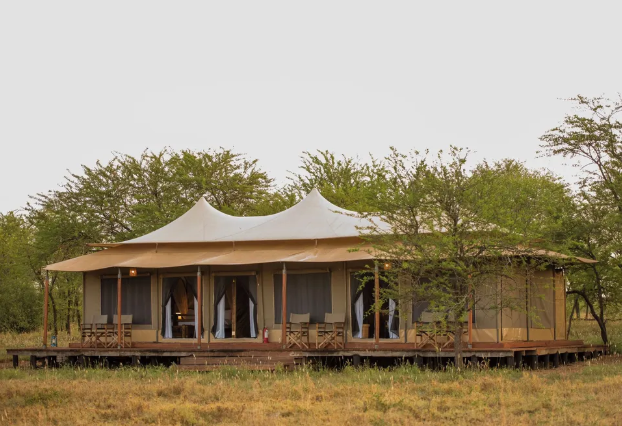
Few places on Earth match the Serengeti for scale and drama. Its golden plains, acacia-dotted ridges and the endless movement of wildlife make it one of the world’s great natural spectacles. Where you sleep shapes the whole trip, and Serengeti House of Nature is one of the lodging options for travelers who want to stay inside the park rather than commute to it each morning.
This guide covers the property, its setting, what you can expect, and how to plan a visit.
What Is Serengeti House of Nature?
Serengeti House of Nature is a safari accommodation in Tanzania’s Mara Region. Major travel platforms list it as a 3-star property with a restaurant, a free breakfast buffet and free wired internet. Its listed address is in Serengeti, within the Mara Region, and it is described as situated in a national park, steps from Central Serengeti.
Some descriptions present it as a glamping-style experience within the wilderness of Serengeti National Park, while hotel platforms categorize it as a hotel. Safari properties are often described differently across booking channels, so confirm the exact accommodation style when you reserve.
The Location: Staying Inside the Serengeti
Location is the biggest practical advantage of staying within the park. Serengeti National Park covers roughly 14,750 square kilometers of savanna, woodland and river systems. Travelers who stay outside the boundary can lose hours each day to transfers before the first animal sighting.
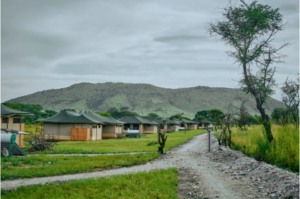
Staying inside shortens the distance between your bed and the wildlife. One listing places the property deep within Serengeti National Park near the Ikoma Historical Site. Other travel sites note a distance of about 16 miles (25.7 km) from the Seronera airstrip, which gives you a rough sense of how far it is from the central hub for park flights.
That proximity matters for three reasons:
- Golden-hour game viewing. Predators are most active around dawn and dusk. Starting from inside the park makes those windows much easier to reach.
- Less travel fatigue. Shorter transfers mean more energy for wildlife viewing.
- Immersion. Waking to the sounds of the bush is part of the experience.
Accommodation and Rooms
Guest rooms are described as offering furnished balconies and separate sitting areas. The room type commonly listed is the Classic Double or Twin Room with a park view. Other in-room comforts include a private bathroom and free toiletries.
A balcony with a view is more than a nicety on safari. Mornings and evenings are when the landscape is at its most atmospheric, and a private space to take in the light, sounds and distant wildlife adds to the stay.
Rooms in this price tier are typically comfortable and functional rather than ultra-luxurious. If you want butler service and a plunge pool, high-end camps cost far more. If you want a clean base, a good breakfast and a short trip into the park, this style of lodging is the practical choice.
Dining and Amenities
Food on safari matters because game drives start early and end late. Listed amenities include:
- A daily buffet breakfast served between 6:00 AM and 10:00 AM
- An on-site restaurant
- Free self-parking and wired internet
- Daily housekeeping and luggage storage
- Tour and ticket assistance
The early breakfast window suits safari schedules. The tour desk helps with arranging game drives, which is useful if you are not on a fully packaged itinerary. Internet in remote parks is rarely fast, so treat connectivity as a bonus rather than something to rely on.
Wildlife and Experiences Near the Property
The Serengeti is home to the Big Five (lion, leopard, elephant, buffalo and rhino), though rhinos are rare and hard to spot. Cheetahs, giraffes, zebras, hippos, crocodiles and hundreds of bird species add to the variety.
The Great Migration
The Serengeti is best known for the annual movement of well over a million wildebeest, along with large numbers of zebras and gazelles, following the rains in a rough clockwise circuit through the ecosystem. Where the herds are depends on the season, so your timing determines what you see. Always check current conditions with your operator, since rainfall changes the pattern from year to year.
Activities to Consider
- Morning and afternoon game drives in a 4×4 safari vehicle with a licensed guide
- Bird watching, which is especially good in the wetter months when migratory species arrive
- Hot-air balloon safaris at sunrise, offered by operators in the central Serengeti
- Cultural and historical visits, such as sites in the Ikoma area, which has its own local heritage
- Photography, particularly in the soft light after sunrise and before sunset
Best Time to Visit
The Serengeti can be visited year-round, and each season offers something different.
| Period | What to Expect |
| June to October | Dry season; animals gather near water and are easier to spot; best for general wildlife viewing |
| November to December | Short rains begin; landscapes turn green; fewer crowds |
| January to March | Calving season on the southern plains; strong predator activity |
| April to May | Long rains; lowest rates and quietest roads, but some tracks become difficult |
For first-time visitors, the dry months generally offer the most reliable sightings. Budget travelers and photographers who like green scenery may prefer the shoulder seasons.
Who Is Serengeti House of Nature Best For?
This property tends to suit:
- Budget-conscious safari travelers who want to stay inside the park without paying top-tier camp prices
- Independent travelers who like to arrange their own game drives through the tour desk
- Short-stay visitors who want a convenient base for a night or two
- Couples and friends who value a balcony view and a simple, comfortable room
It may be less suitable for travelers expecting all-inclusive luxury, spa services or very high-end finishes. Guest ratings across booking sites vary, so read recent reviews carefully and set expectations accordingly.
Practical Tips for Planning Your Stay
- Verify details directly. Listings differ on the property’s category, rating and room types. Confirm what is included before you pay.
- Book early for peak months. Accommodation inside the park fills quickly from July to October.
- Clarify park fees. Entry fees for Serengeti National Park are separate from your room rate and are charged per person per day.
- Arrange a reputable guide. A skilled guide can make the difference between a good safari and a memorable one.
- Pack smart. Bring neutral-colored clothing, layers for cool mornings, sun protection, binoculars and a good camera.
- Ask about transfers. Find out how to get from your arrival point, whether an airstrip or a road, to the property.
- Keep expectations realistic for connectivity. Remote locations mean slow internet and occasional power limits.
Conclusion
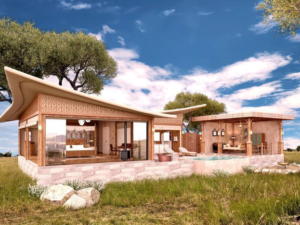
Serengeti House of Nature offers a practical way to experience one of the planet’s greatest wildlife destinations from inside the park. Its appeal lies in location, comfort and convenience: a park-view room, a hearty early breakfast, an on-site restaurant and a tour desk to help organize your days. It is not a high-luxury camp, and it does not try to be. For travelers who put wildlife first and want a sensible base close to the action, it deserves a place on the shortlist.
As with any safari booking, check current details, read recent guest feedback and confirm your inclusions directly with the property or your operator. Prepared well, a stay here can put you within reach of the dawn chorus, the open plains and the animals that make the Serengeti what it is.
Key Takeaways
- Serengeti House of Nature is a 3-star-listed lodging located inside Serengeti National Park, Tanzania.
- Listed amenities include a restaurant, free breakfast buffet (6:00 AM to 10:00 AM), free parking, wired internet and tour assistance.
- Park-view rooms with balconies and sitting areas are among the highlights.
- It suits budget-conscious and independent travelers more than those seeking luxury.
- The dry season (June to October) is best for general game viewing; the migration’s location changes through the year.
- Descriptions differ between booking sites, so verify the details before you book.
- Park fees, guides and transfers are usually separate costs to plan for.
Frequently Asked Questions
- Where is Serengeti House of Nature located?
It is in the Serengeti area of Tanzania’s Mara Region, listed as situated in a national park, steps from Central Serengeti. One source places it near the Ikoma Historical Site. - Is it inside Serengeti National Park?
Travel listings describe it as being within the park. Confirm the exact boundary position and access routes when you book. - What amenities does it offer?
Listed amenities include a restaurant, free parking, wired internet, a daily buffet breakfast, daily housekeeping, luggage storage and tour or ticket assistance. - What are the rooms like?
Rooms are listed with furnished balconies and separate sitting areas. The commonly listed room is a Classic Double or Twin with a park view. - Is breakfast included?
Listings show a free daily buffet breakfast, served between 6:00 AM and 10:00 AM. Confirm this with the property at the time of booking. - When is the best time to visit?
June to October is generally best for wildlife viewing. January to March is good for calving season and predator action. The green season offers lower rates and fewer visitors. - Is it suitable for families?
It can work for families who want a simple base. Check the property’s child policy and room configurations, and ask about safety around open balconies and wildlife. - How much does it cost?
Rates vary by season and booking platform. One listing showed a starting price of around RM 660 for a one-night stay for two adults, excluding taxes and fees, but prices change often. Check current rates for your dates. - Are park fees included?
Usually not. Serengeti National Park entry fees are separate from accommodation rates, so confirm what your package covers. - Can I arrange game drives through the property?
Listings mention tour and ticket assistance. Ask what guided activities are available, their cost and whether vehicles and guides are provided.