
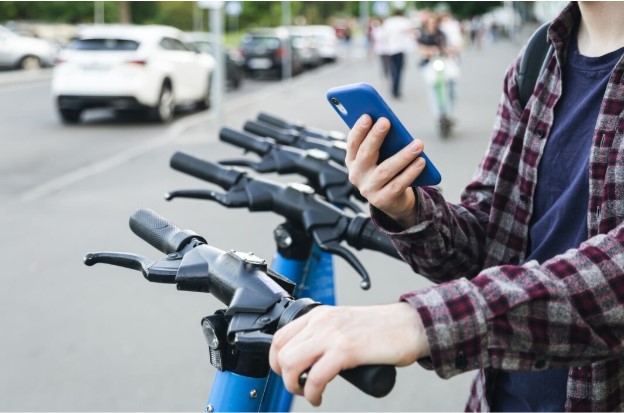
Urban mobility is changing. Cities have become denser and roads become busier. In this changing environment, bike-based travel has gained attention. It offers a practical solution for daily movement, short-distance travel, and leisure exploration.
Renting a bicycle is no longer seen as a casual option. It has become a reliable choice for individuals who value efficiency, flexibility, and balance in their daily routines.
Let’s explain 5 benefits of choosing bike transportation rental services. Each benefit focuses on real-world value and long-term impact. Read on!
1. Cost Efficiency
Transportation costs affect daily life. Fuel prices, parking fees, maintenance expenses, and public transit passes can slowly drain monthly budgets. Bike transportation rental offers a simple alternative that keeps costs under control without sacrificing convenience.
A rented bicycle removes the need for ownership-related expenses. There is no requirement to invest in repairs, insurance, or long-term storage. Instead, users pay only for the time or distance they actually use.
This pay-as-you-go approach aligns perfectly with modern financial habits, where flexibility matters more than fixed commitments. For daily commuters, this option can replace short car trips or public transport. The savings become noticeable over time, especially in cities where parking fees and fuel costs are high.
2. Environmental Benefits
Sustainability has moved from a trend to a responsibility. Transportation remains one of the largest contributors to environmental impact, particularly in urban areas. Choosing a bike over motorized transport reduces emissions and supports cleaner air without requiring major lifestyle changes.
A rented bicycle produces no direct emissions. Each trip replaces a car ride, reducing fuel consumption and lowering overall pollution levels. When adopted on a broader scale, this shift contributes to quieter streets and a healthier urban environment.
Cities that encourage cycling often see reduced traffic congestion. Fewer cars on the road also mean smoother flow for essential vehicles and public transport.
3. Flexibility and Convenience
Time matters in daily life. People need transportation that adapts to changing schedules rather than forcing rigid routines. Renting a bike offers unmatched flexibility, especially in busy urban areas.
Users can start and end trips at different locations depending on the service model. This freedom removes the pressure of returning to a single point, making travel feel more natural and efficient. Short errands or spontaneous plans become easier to manage.
Bike rentals integrate smoothly with other forms of transport. A person can ride to a train station, park the bike, and continue the journey. This combination reduces dependency on cars and simplifies multi-stop travel.
4. Health and Well-Being
Physical activity feels like a separate task that is often scheduled apart from daily responsibilities. Riding a bike changes that perception by integrating movement into regular routines. It turns transportation into an opportunity for physical well-being.
Cycling supports cardiovascular health, improves balance, and builds endurance over time. Even short rides contribute to overall fitness when done consistently.
5. Enhanced Urban Experience
Cities often feel rushed and disconnected when experienced only through cars or crowded transport. Riding a bike changes perspective.
Cyclists experience neighborhoods more closely. Local shops, cafes, parks, and cultural spots become visible rather than passing blurs. Tourists benefit greatly from this immersive experience. A bike allows exploration of areas that may feel inaccessible by car.